


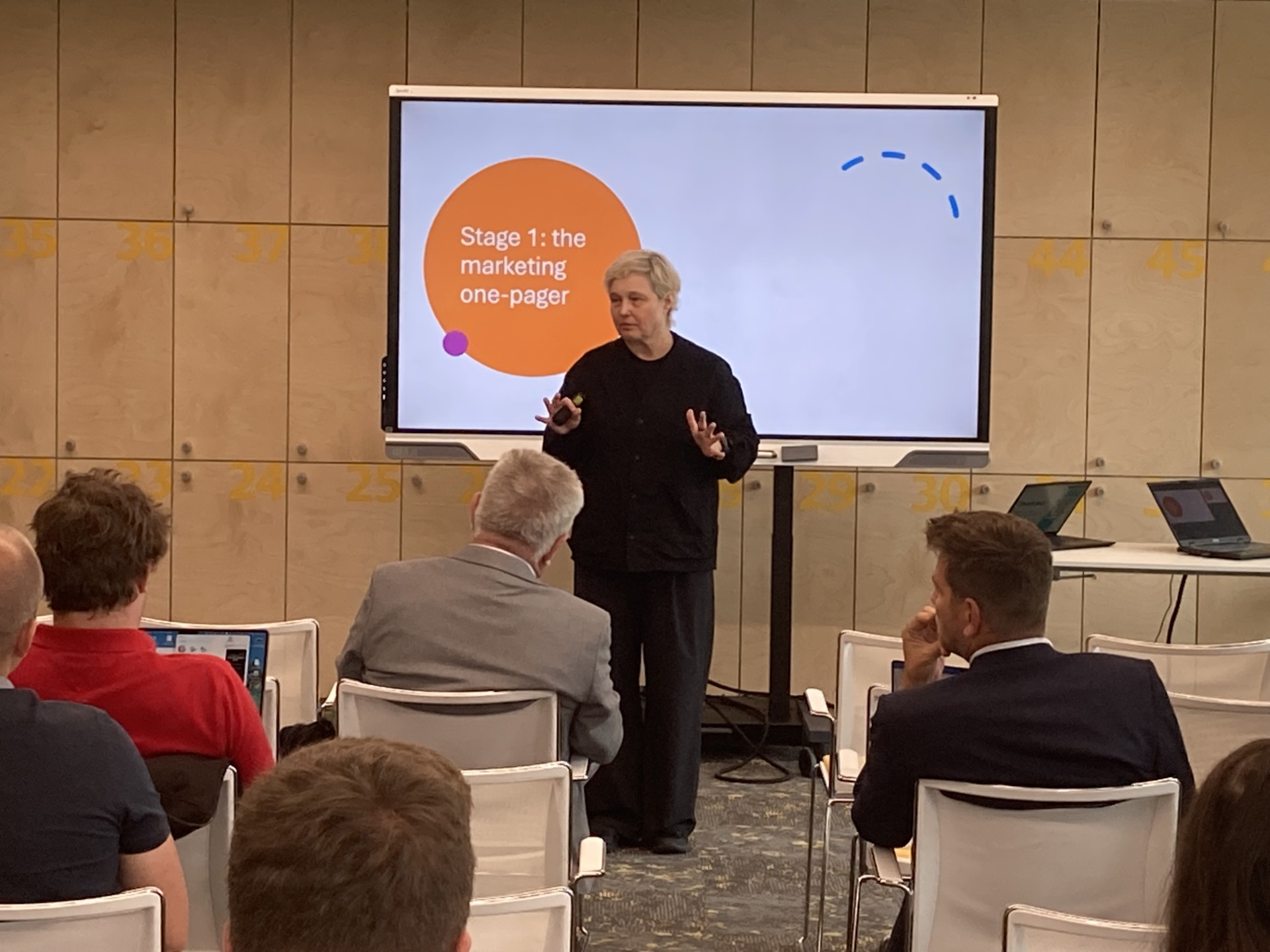
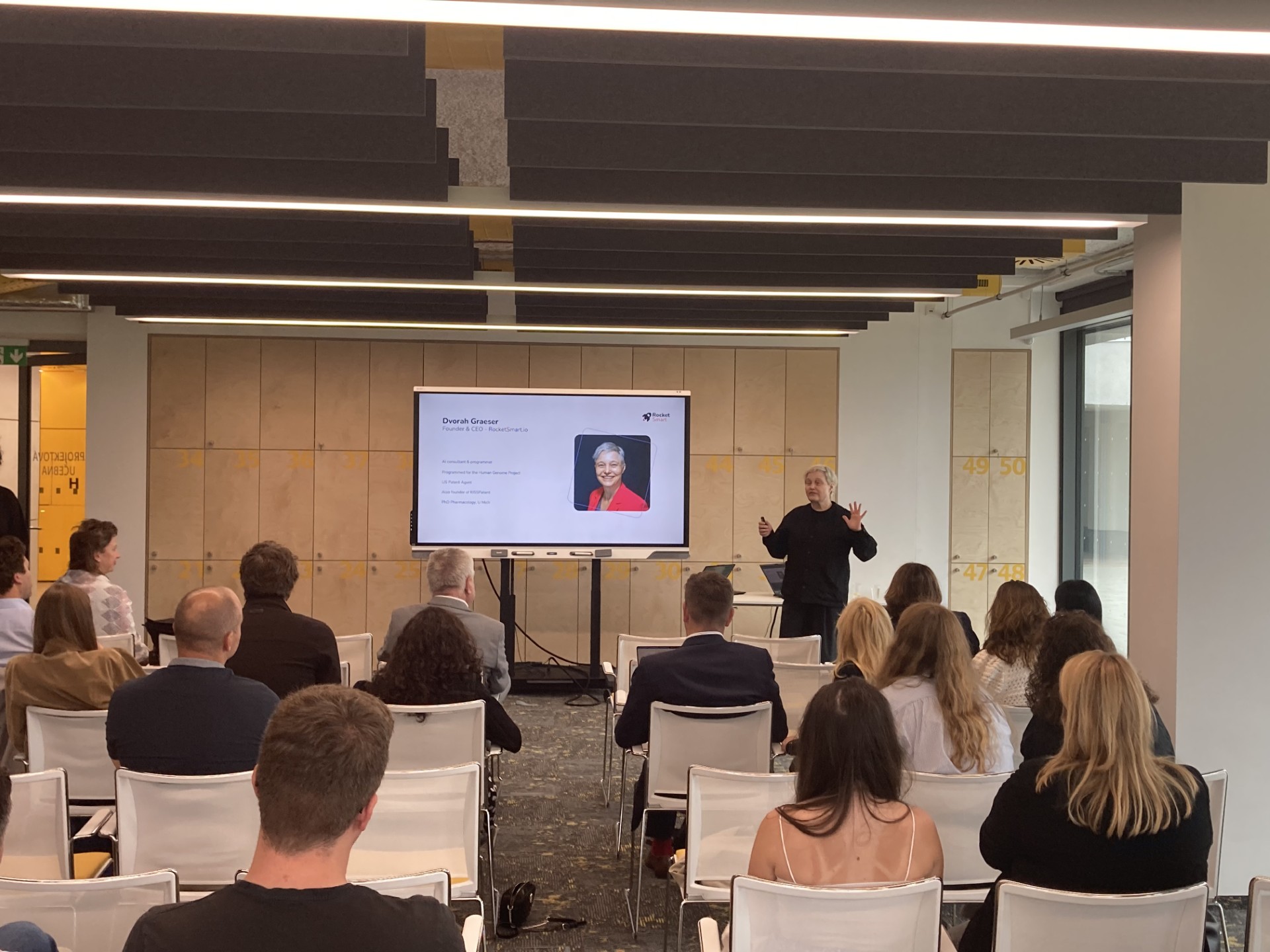
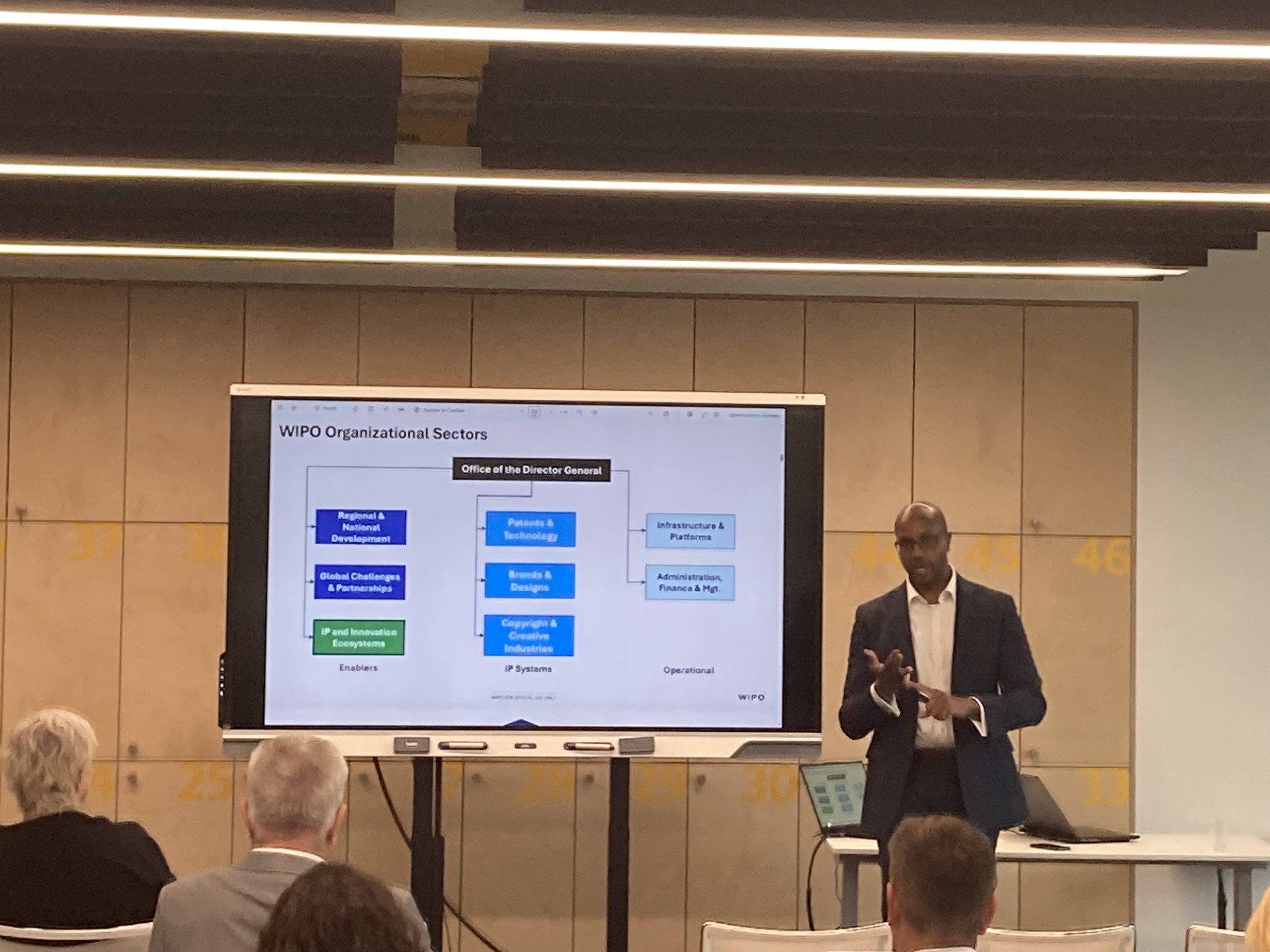
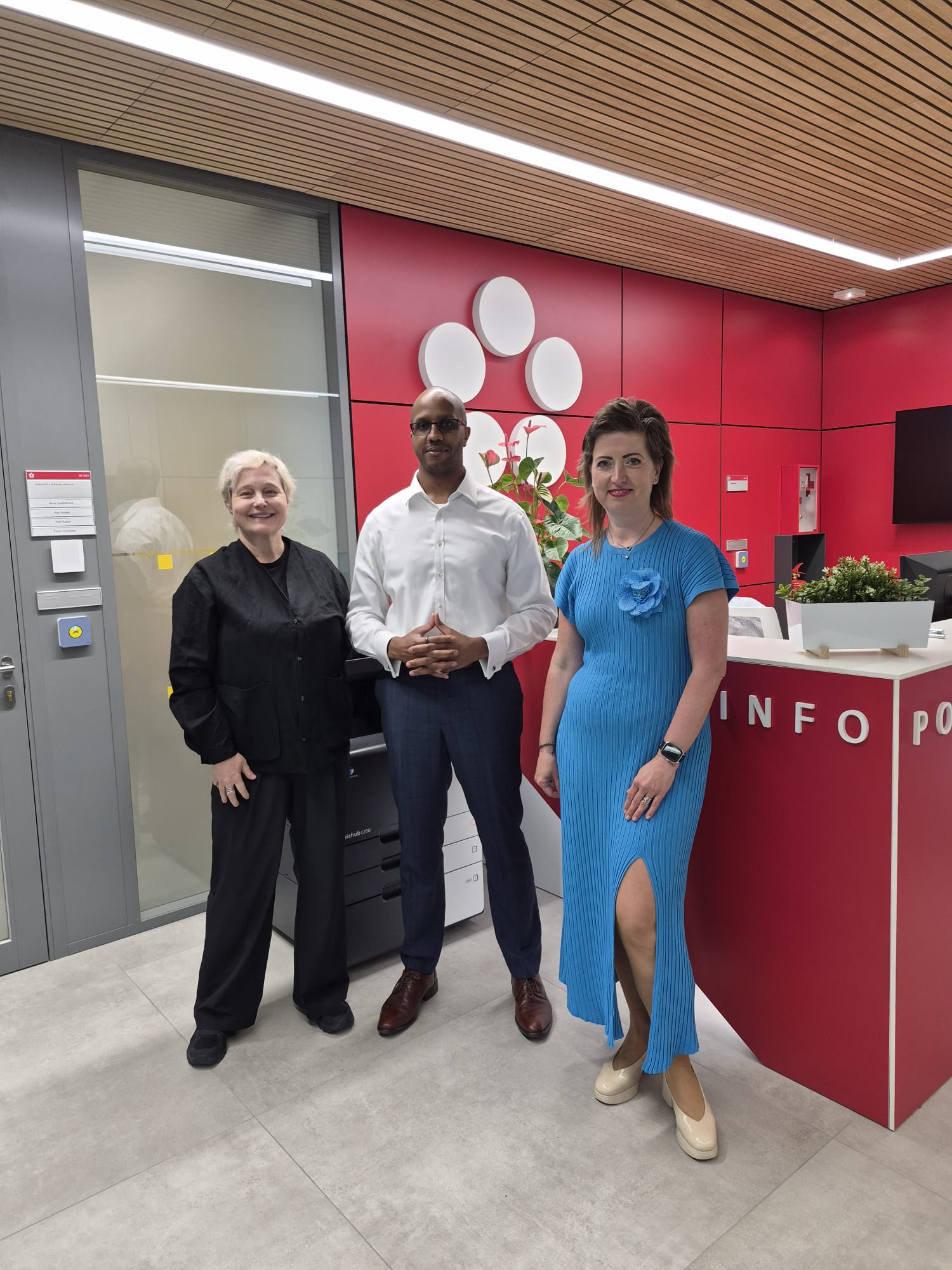
WIPO Experts’ Workshop at the University of South Bohemia explored new opportunities and challenges. As part of the international, cross border and national conference Creativity and Innovation, held at the University of South Bohemia in České Budějovice, a specialized workshop led by experts from the World Intellectual Property Organization (WIPO) offered participants valuable insights into current developments in intellectual property (IP) and the growing importance of artificial intelligence (AI) in this field.
WIPO: A Global Leader in Intellectual Property
WIPO is a specialized agency of the United Nations that serves as a global platform for IP services, policy development, and international cooperation. Its mission is to support innovation and creativity by providing tools and frameworks that enable the effective protection and management of intellectual property worldwide.
These services and tools formed the core of the workshop, which was primarily aimed at researchers, technology transfer professionals, and representatives of industry and public institutions.
Practical WIPO Tools in the Digital Era
One of the key highlights of the workshop was the introduction of WIPO’s digital tools designed to streamline IP processes. Many of these solutions leverage artificial intelligence to improve efficiency, accessibility, and accuracy.
Inspiration for Academia and Industry
The workshop clearly demonstrated that the field of intellectual property is undergoing rapid transformation, with artificial intelligence playing a dual role—as both a subject of protection and a practical tool for IP administration.
For the University of South Bohemia and its partners, the participation of WIPO experts provided a valuable opportunity to:
· gain insights into international best practices,
· exchange experience in technology transfer,
· and establish new partnerships for future collaboration.
At the same time, the event highlighted that connecting creativity, innovation, and advanced technologies is essential for strengthening both academic environments and broader innovation ecosystems.


