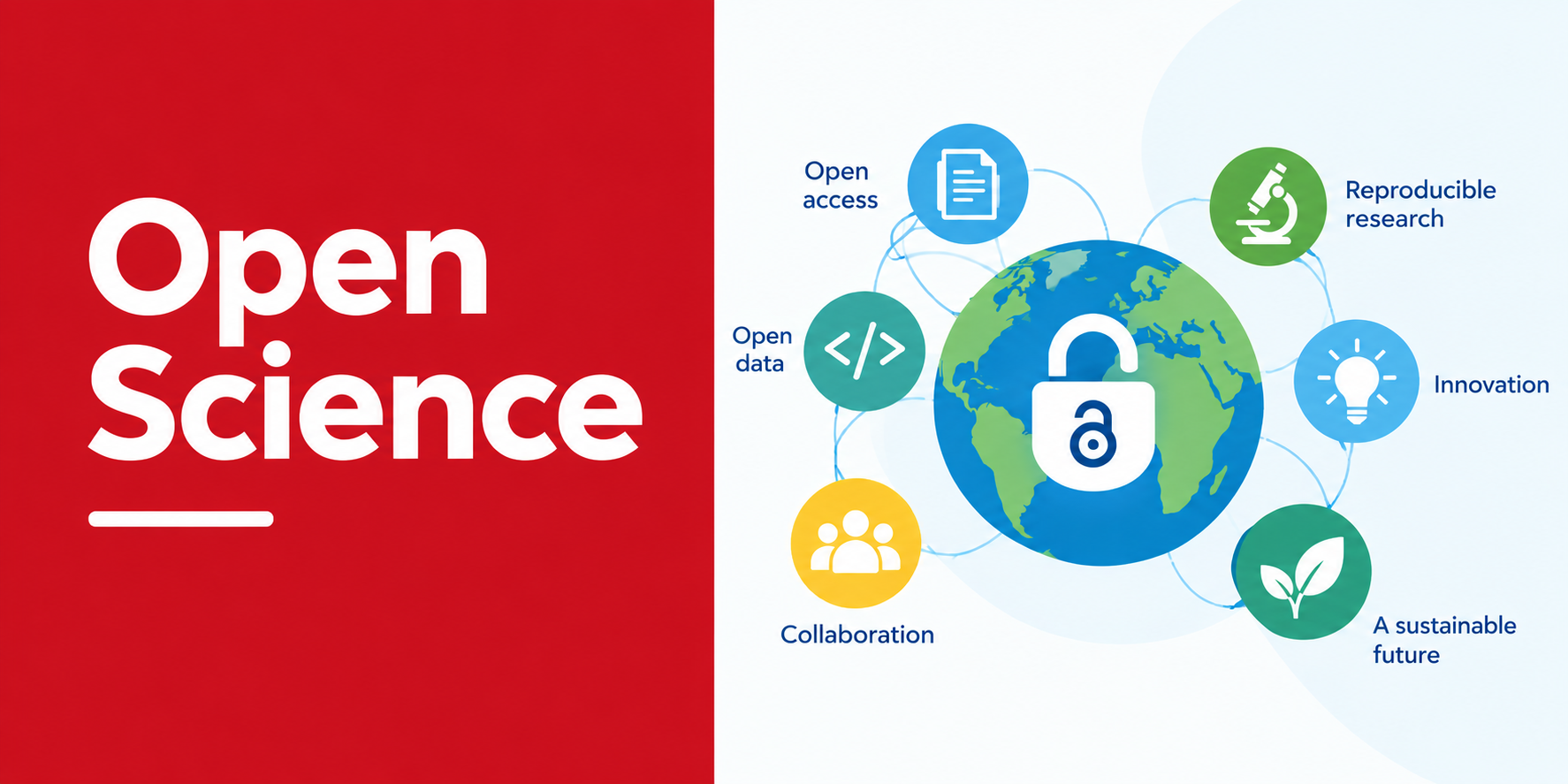
Open Science

The University of South Bohemia embraces the principles of Open Science across its research and education. By opening up our research processes, outputs, and knowledge, we strengthen collaboration, increase scientific impact, and make research more accessible to researchers, students, and society. Open Science encourages the responsible sharing and re-use of knowledge, innovation, and a more inclusive and trustworthy research environment.

At the University of South Bohemia, we are committed to advancing Open Science as an integral part of our research and educational mission.

How USB engages in Open Science
  • Open Science Support Team

    Open Science
    Support
    Team

    Read more

  • Open Access Publishing

    Open Access
    Publishing

    Read more

  • Research Data Management

    Research Data
    Management

    Read more

Our news linked to OS

All news

According to UNESCO Recommendation on Open Science, Open Science is an inclusive approach that aims to make scientific knowledge openly accessible, reusable, and beneficial to society. It encompasses a range of practices that promote transparency, collaboration, and accessibility throughout the research process, including open access to publications and research data. Digital technologies and tools further support the sharing of knowledge and collaboration among researchers and society.
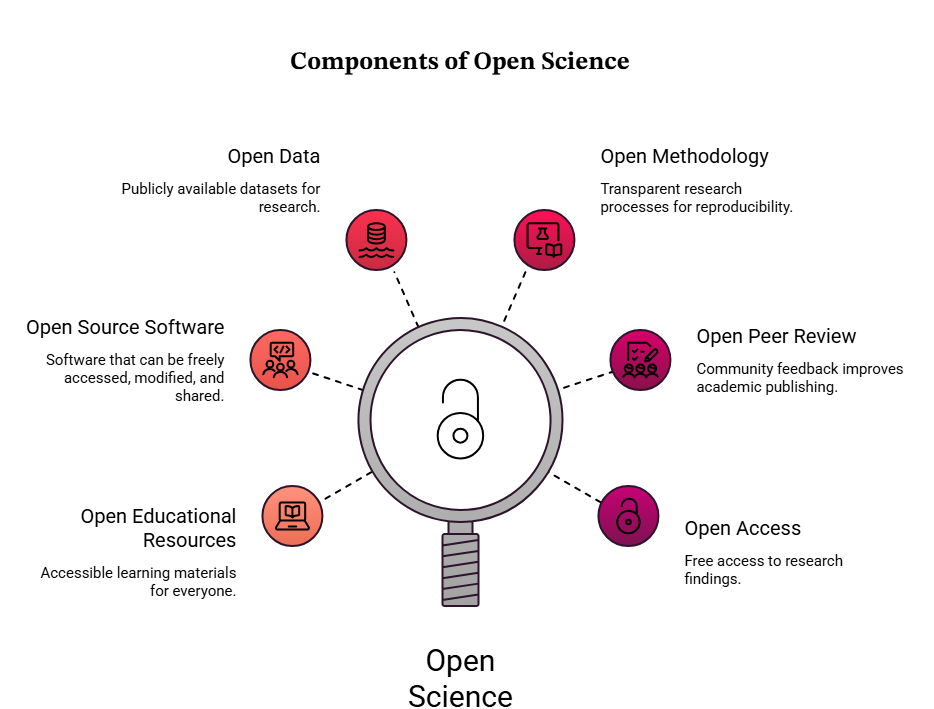
Open Science at the University of South Bohemia

Open Science is a key strategic priority of the university and is reflected in the University of South Bohemia Open Science Strategy.

As part of this strategic development, the university is developing an institutional Research Data Management Policy to promote the responsible management of research data and support transparency, reproducibility, and the long-term reuse of research outputs.

The university provides researchers with guidance and support throughout the research lifecycle, including in areas such as Open Access publishing and Research Data Management. Institutional policies, services, and infrastructures are also being progressively developed to strengthen and support the implementation of Open Science practices across the university.
EOSC

Read more …Open Science

Open Data

Open data is data that is freely available for anyone to access, use, reuse, and share, with minimal legal or technical restrictions. It is typically published in an open and machine-readable format, enabling the data to be easily processed, analysed, and reused.

Under Section 3(5) of Act No. 106/1999 Coll., on Free Access to Information, open data refers to information published in a way that enables remote access in an open and machine-readable format, without restrictions on its subsequent use, and registered in the National Open Data Catalogue.

What Makes Data “Open”?

  • Accessible – available online
  • Machine-readable – provided in a format that computers can process
  • Reusable – permitted for further use
  • Shareable – can be redistributed under clear conditions
  • Clearly licensed – conditions for reuse are transparent

How to Use Open Data?

  • Find datasets — Browse or search for relevant open datasets.
  • Check the metadata and licence — Review information about the dataset, its source, quality, and conditions for reuse.
  • Access the data — Download the dataset or access it through an API, where available.
  • Cite the dataset — Properly acknowledge the dataset and its source in your research or other work.
  • Share your results — Where possible, openly share your findings, analyses, and derived outputs.

Legal and Ethical Considerations

Before publishing data, it is important to consider personal data protection, intellectual property rights, confidentiality, security, and other legal or ethical restrictions.

Not all research data can be made openly available. Personal, confidential, sensitive, and legally protected data must be handled responsibly and shared only where appropriate.

UNESCO-Open Data

Frequently Asked Questions

Is open data always free?
- Yes, open data is free to access, but reuse conditions depend on the license.
Can personal data be open?
- No. Personal and sensitive data must be protected and are not published openly.
How do I cite open data?
- Each dataset includes a recommended citation format.
What if my data cannot be open?
- We support controlled access and FAIR-but-closed solutions where necessary.

Read more …Open Data

Open Science Policy

At the University of South Bohemia, the Open Science Policy provides a basis for developing institutional support, services, and practices that promote Open Science across the research lifecycle. It also helps align university activities with national and international Open Science principles and recommendations.

The policy supports researchers in understanding their responsibilities and available support while recognising that openness must be balanced with ethical, legal, confidentiality, intellectual property, and data protection requirements.

Read more …Open Science Policy

Research Data Management

At the University of South Bohemia, researchers are encouraged to plan how their data will be collected, stored, documented, and preserved from the beginning of a research project. Where possible and appropriate, research data should be made openly available in accordance with the FAIR principles—Findable, Accessible, Interoperable, and Reusable.

Research Data Management Policy — In preparation
The University of South Bohemia is currently developing an institutional Research Data Management Policy. The policy will provide guidance on the responsible management, sharing, and preservation of research data and will be published here once approved.

Read more …Research Data Management

Publishing and Open Access

Open Access is an important part of Open Science that aims to make scholarly research freely available to readers. Choosing an appropriate publishing and Open Access route can increase the visibility, accessibility, and potential reuse of research while helping researchers meet funder, publisher, and institutional requirements.

There are several ways to make research publications openly accessible, including publishing in Open Access journals, depositing publications in repositories, and using other Open Access publishing models. Each route has different conditions related to copyright, licensing, publication fees, embargoes, and permitted versions of the publication.

Read more …Publishing and Open Access

Subscribe
to our newsletter

Stay in touch
social media

© University of South Bohemia
Cookies
