Přejít na hlavní obsah

Mastering Horizon Europe Projects: Simplification, Management and Controls

Mastering Horizon Europe Projects: Simplification, Management and Controls

Technologické centrum Praha a Univerzita Karlova pořádají odborný seminář „MASTERING Horizon Europe Projects: Simplification, Management and Controls“ 

KDY: 15.6.2026 10:00 – 16:00 hod
KDE: Univerzita Karlova, Celetná 20, Praha 1
Účast: pouze fyzicky

Seminář je určený pro:

  • Výzkumné manažery/manažerky, administrátory/administrátorky projektu Horizon Europe
  • Výzkumníky/výzkumnice (začínající i zkušené)
  • Instituce usilující o zapojení do mezinárodní výzkumné spolupráce 

Seminář nabízí cenný vzhled do klíčových aspektů řízení projektů HE:

  • zjednodušení a změny v pracovních programech 2026–2027
  • praktické aspekty lump sum projektů (příprava, implementace, kontroly)
  • implementace projektů v praxi (reporting, změny, povinnosti)
  • finanční audity: jak se připravit a vyhnout se chybám
  • novinky ve Funding & Tenders Portalu
  • interaktivní diskuse se zástupci Evropské komise
  • networking s odborníky z oblasti evropského výzkumu

Řečníci:

  • Alison Imire (European Commission, DG RTD)
  • Sara Capruzzi (European Commission, DG RTD)
  • Harald Schmid (European Commission, Common Audit Service)

 Účastníci mohou klást své dotazy prostřednictvím Slido nebo hlasovat pro dotazy, které jsou pro ně zajímavé.

 Podrobnosti a registrace zde

Číst dál …Mastering Horizon Europe Projects: Simplification, Management and Controls
Ecocultural Heritage: Research & Education

Eco-Cultural Heritage: Research & Education

The Conference Has Ended. The Story Continues.

The conference may be over, but the energy, ideas, and collaborations we created together continue. We are currently preparing publication opportunities for contributions presented during the conference and looking forward to the next steps of our Eco-Cultural journey.

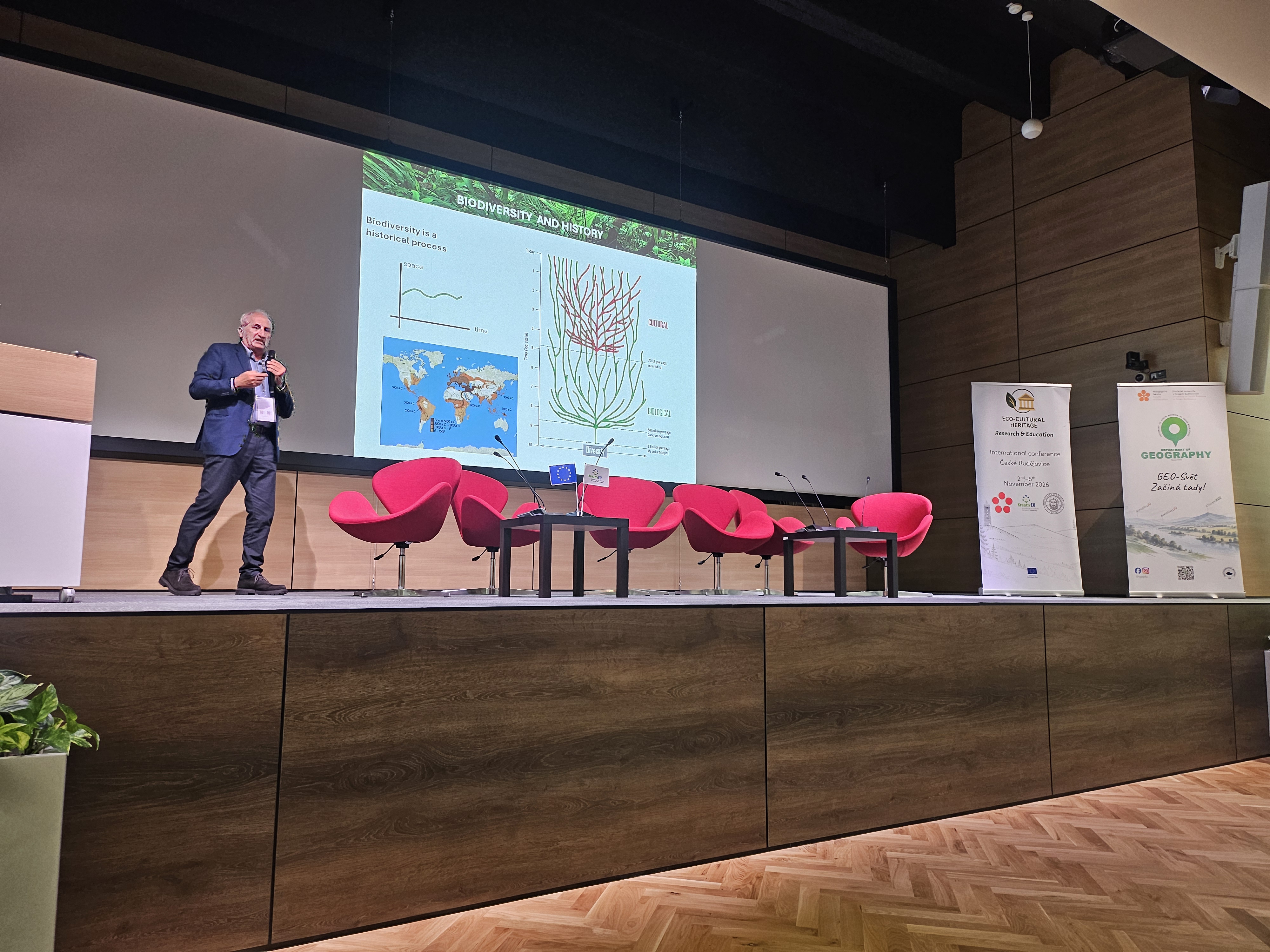
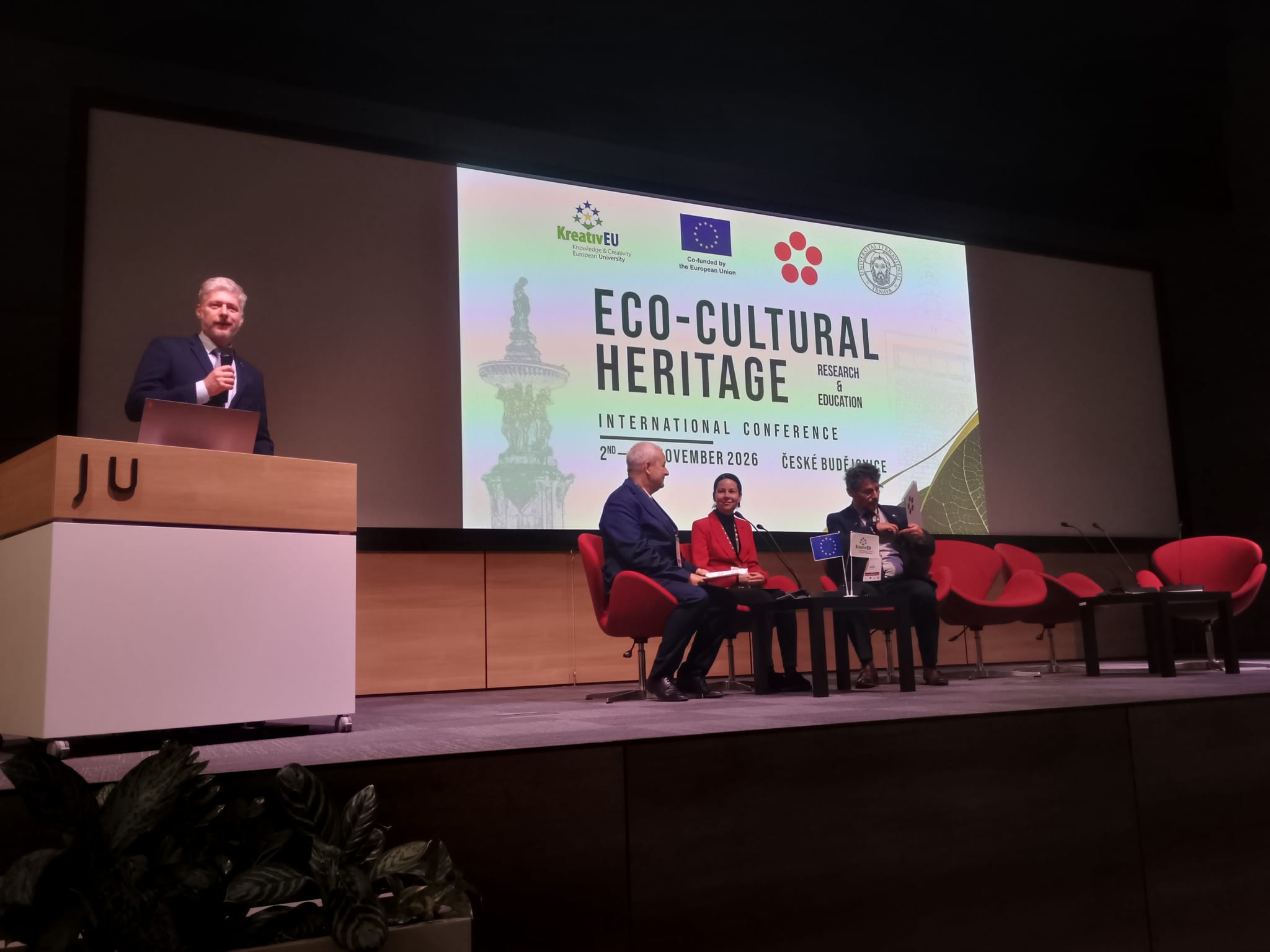
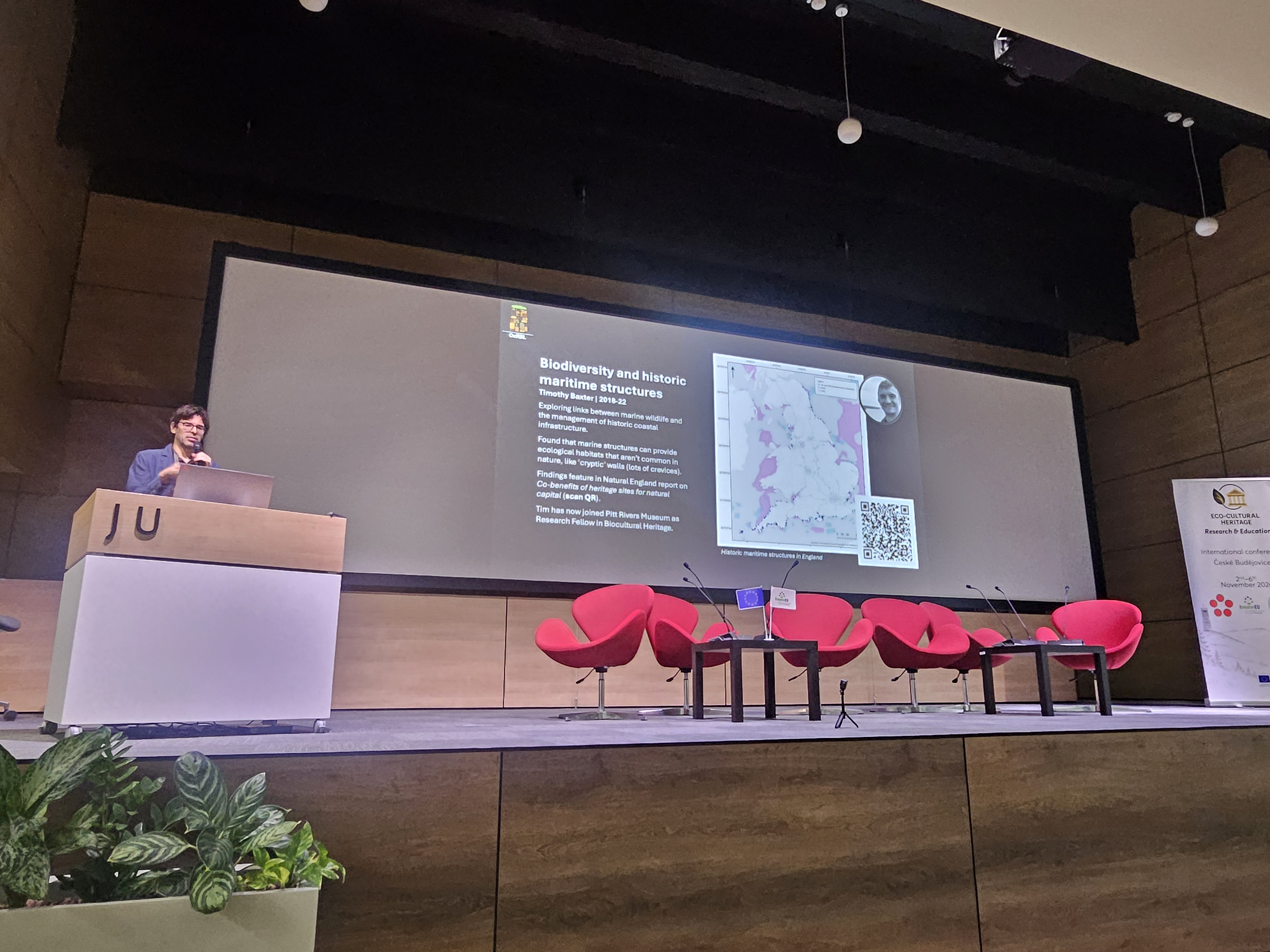
Until then, take a look back, find yourself and your colleagues, and enjoy the memories in our photo gallery.

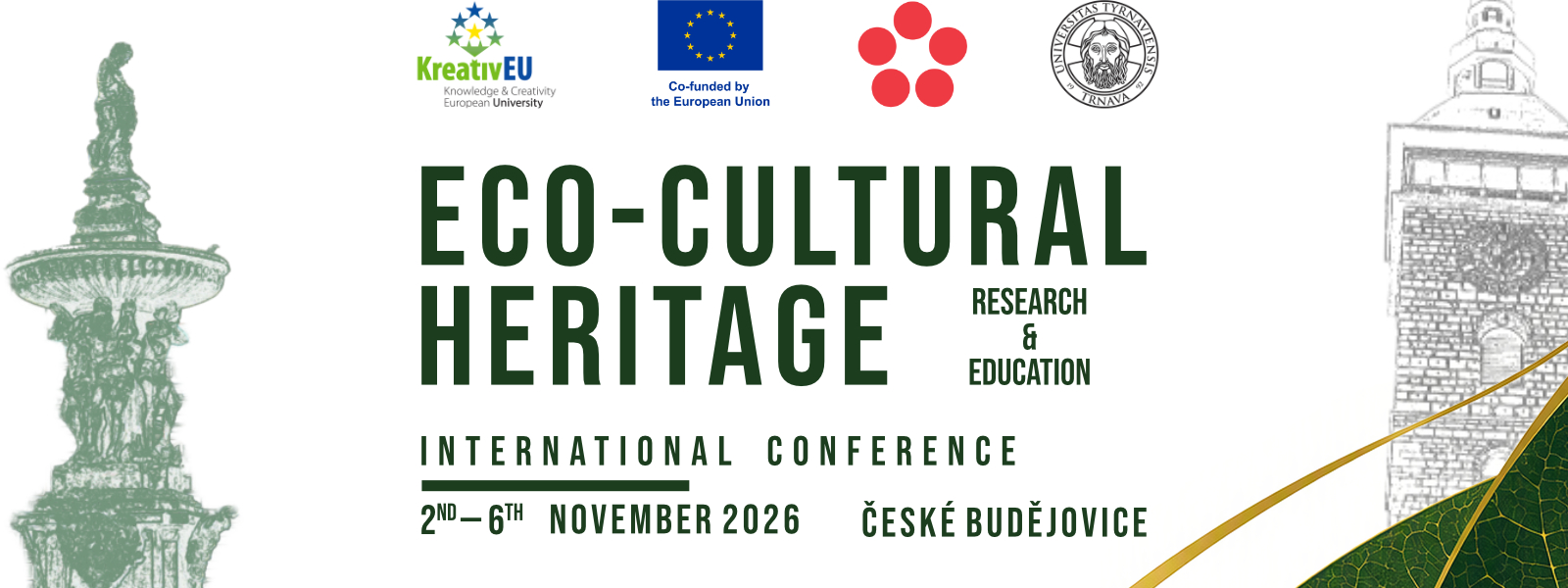
We are pleased to announce the upcoming international conference Eco-Cultural Heritage: Research & Education, taking place in České Budějovice, Czech Republic, from 2–6 November 2026.

The conference will bring together researchers, educators, and cultural heritage professionals to explore the dynamic relationships between ecological systems, cultural identity, and contemporary educational approaches.

The programme will feature lectures, workshops, and excursions designed to foster interdisciplinary dialogue and promote sustainable perspectives in ecocultural heritage research and education.

The conference will be held in hybrid form, so you can connect and watch online via MS Teams, links are available in programme.


The conference is organized by the University of South Bohemia in České Budějovice and co-organized by the Trnava University in Trnava.

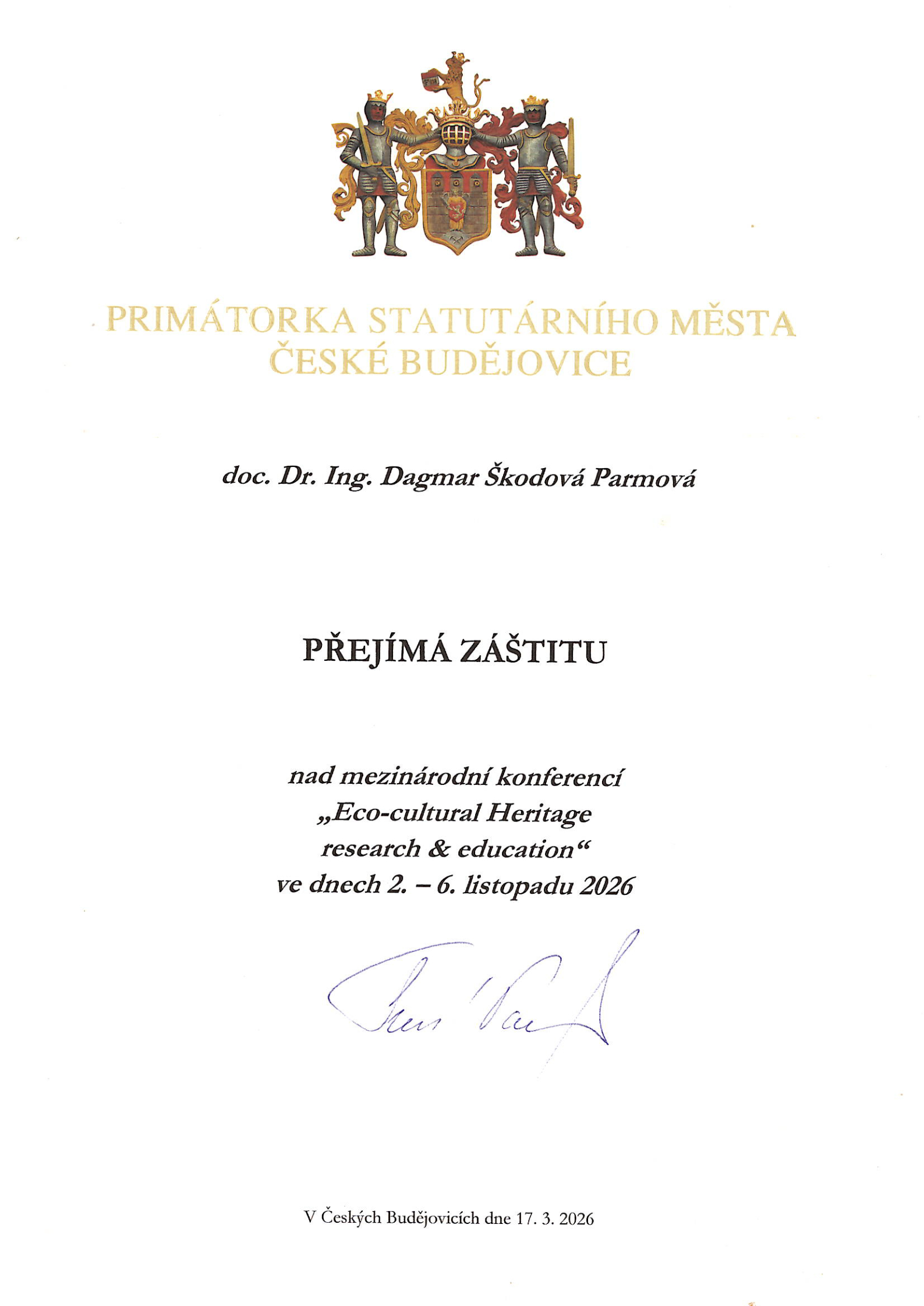
Held under the auspices of the Mayor of České Budějovice, Assoc. Prof. Dagmar Škodová Parmová, the event will take place in the Aula of the University of South Bohemia in České Budějovice.


Contact email: Tato e-mailová adresa je chráněna před spamboty. Pro její zobrazení musíte mít povolen Javascript.


Conference Fee:

  • Standard: 120.00€
  • KreativEU member: 90.00€
  • PhD and KreativEU Students: 60.00€
  • USB students and staff: Free

  • Wednesday 4.11 field excursion: 30.00€

Payment Instructions:

  • Organisation Name: University of South Bohemia in České Budějovice
  • Address: Branišovská 1645/31a, 370 05 České Budějovice, Czech Republic
  • ID No. 60076658 | VAT No. CZ60076658
  • Note: Name
  • Bank Details: 
  • Bank Name
    Československá obchodní banka, a. s.
    Account Holder
    University of South Bohemia in České Budějovice
    Account Number
    131975908/0300
    Currency
    EUR
    SWIFT
    CEKOCZPP
    IBAN
    CZ46 0300 0000 0001 3197 5908

Číst dál …Ecocultural Heritage: Research & Education

About - Ecocultural Heritage: Research & Education

About

The international conference Eco-Cultural Heritage: Research & Education focuses on the complex interconnections between ecosystems and cultural heritage in contemporary research and educational practice. It provides a platform for interdisciplinary dialogue on landscape research, the economic aspects of heritage and nature preservation, and inclusive strategies supporting sustainable development.

In addition to keynote lectures and workshops, the conference will feature thematic sessions reflecting a wide range of current research directions and methodological approaches. Particular emphasis will be placed on interdisciplinary collaboration accross the humanities, social sciences, and environmental studies. The event aims to foster exchange between scholars and practitioners, encourage innovative perspectives, and support the development of sustainable and inclusive approaches to ecocultural heritage.

The conference is structured around several key thematic areas:

  • Research – current research directions and interdisciplinary perspectives on ecocultural heritage
  • Economics & Marketing – economic aspects of heritage, sustainable tourism, and regional development
  • Education & Practice – educational approaches, knowledge transfer, and practical applications in the field

Further thematic details and session specifications will be announced in due course.

Keynote Speakers

Prof. Mauro Agnoletti (University of Florence, Italy)

Prof. Caitlin DeSilvey (University of Exeter, England)

Dr. Martin Michette (University of Oxford, England)


Beyond Nature and Culture: Rethinking Eco-Cultural Heritage through Historical Landscapes
(Prof. Mauro Agnoletti)

The conventional separation between natural and cultural heritage does not adequately reflect the historical development of many European landscapes. For centuries, agriculture, pastoralism and forestry have shaped ecosystems, biodiversity and landscape patterns, creating values that cannot be fully understood independently from human activities. Historical landscapes therefore provide a valuable perspective for reconsidering the relationship between nature and culture within the concept of eco-cultural heritage. This perspective is consistent with the 2014 Florence Declaration on the Links between Biological and Cultural Diversity, which emphasized their interconnected character and described the European landscape as predominantly a “biocultural multifunctional landscape”. Historical landscapes are among the clearest expressions of this long-term interaction between communities, environmental conditions, land-use practices and traditional knowledge.

 Today, these landscapes are increasingly affected by two contrasting processes: agricultural intensification, often associated with landscape simplification, and the abandonment of marginal rural areas, frequently followed by forest expansion. Both may lead to the loss of historical landscape structures, practices and knowledge. Conserving eco-cultural heritage therefore requires moving beyond the assumption that increasing naturalness necessarily increases the overall value of a landscape. At the same time, historically rich territories should not be regarded only as objects of conservation. Their biodiversity, cultural identity, traditional knowledge, food products and landscape quality can provide important resources for diversified rural economies. Recognizing eco-cultural heritage as the outcome of the historical interaction between nature and culture can support policies in which biodiversity conservation, cultural heritage, food production and rural development become mutually reinforcing.

Capacity to care: Transdisciplinary Education for Ecocultural Heritage
(Dr. Martin Michette & Prof. Caitlin DeSilvey )

By acknowledging the inherent links between ecology and culture, ecocultural heritage provides a promising framework for fostering natural and cultural diversity whilst renewing the relevance of the historic environment in an era of rapid environmental and societal change. A key challenge is providing practitioners and decision makers with the skills and knowledge to understand complexity and recognise integrated values whilst also facilitating action. Effective cultural heritage management has always demanded interdisciplinary collaboration. Beyond the disciplines traditionally associated with the historic built environment, ecocultural approaches require collaboration across landscape, environmental, and traditional/Indigenous knowledge disciplines. Building capacity in ecocultural heritage practice and expertise needs to reflect this inherent diversity and provide a suitable transdisciplinary platform.

This keynote presents recent initiatives in educational practice that respond to this need for new skills, knowledge, and forms of engagement in ecocultural heritage management. These include Managing Loss in the Historic Environment: Ecocultural Approaches, a professional training course aimed at a cross-sector, mid-career audience, and the Academy of Conservation and Care for the Environment (ACCE), a transdisciplinary living lab aimed at young professionals. Managing Loss builds upon the emerging concept of ‘adaptive release’, which frames the management of transformative change as a dynamic ecocultural process with potential co-benefits for natural and cultural heritage. ACCE utilises large heritage sites and cultural landscapes to foster common understanding and expose students to diverse real-world initiatives. Drawing on the broader experience of the Sites at the Intersection of Natural and Cultural Heritage (SXNCH) network from which these training programmes emerged, and related research projects, the keynote argues that new forms of transdisciplinary education are essential to embedding ecocultural approaches within future heritage practice.

Číst dál …About - Ecocultural Heritage: Research & Education

Location - Ecocultural Heritage: Research & Education

Location

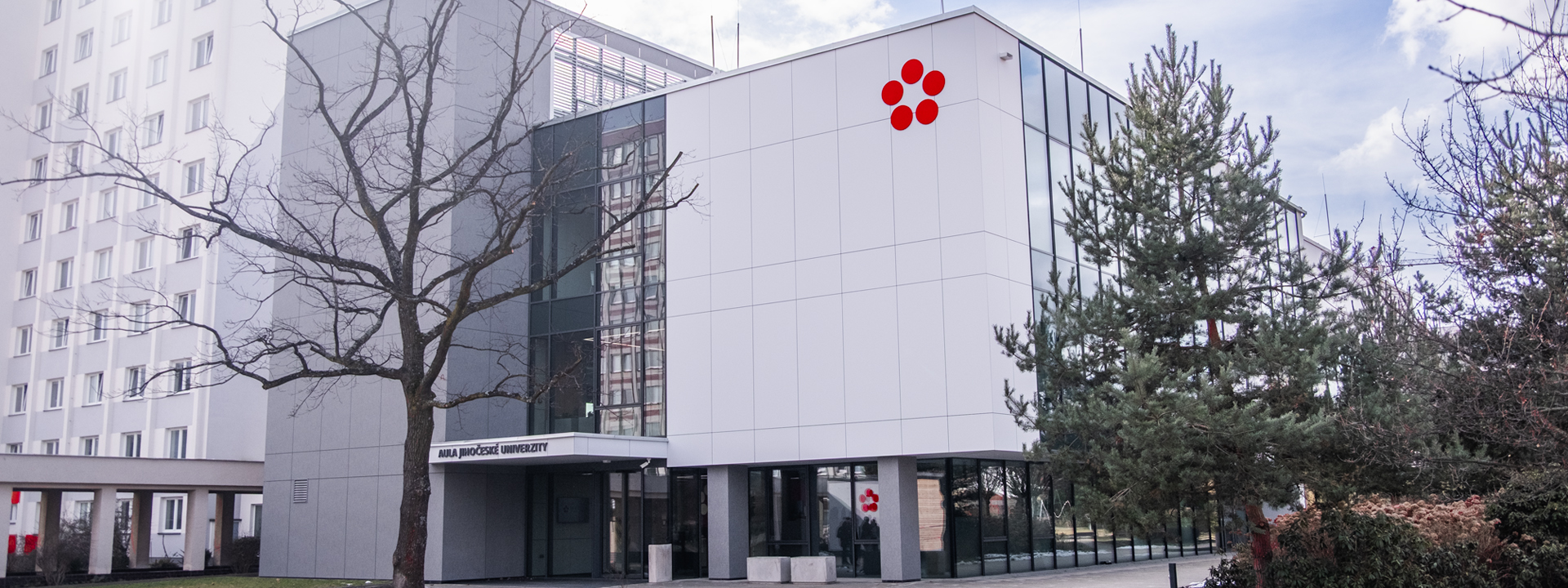
The conference will take place in the Aula of the University of South Bohemia in České Budějovice.

The main campus of the University of South Bohemia is located in the Čtyři Dvory district. It is easily accessible by public transport from the city centre as well as from the main train and bus stations.

The nearest public transport stop is the trolleybus stop “Jihočeská univerzita”, located directly next to the university campus.

Transport

  • Arrival by train

From the main railway station in České Budějovice, exit the station building and cross the street towards the Mercury shopping centre. In front of the centre, you will find a trolleybus stop. Take trolleybus line No. 3 and travel to the stop “Jihočeská univerzita”. The journey takes approximately 10–15 minutes.

  • Arrival by bus

The main bus station is located above the Mercury shopping centre, directly opposite the railway station. From there, go down to the ground floor and exit the building towards Nádražní Street. Nearby, you will find the trolleybus stop. Take trolleybus line No. 3 to the stop “Jihočeská univerzita”.

Accommodation

České Budějovice offer a wide range of accommodation options, from hotels in the historic city centre to more affordable guesthouses and budget hotels. Below is a selection of hotels located within convenient distance of the conference venue at the University of South Bohemia.

Please note that prices may vary depending on availability and season. Participants are encouraged to book accommodation well in advance.

Conference and Premium Hotels

These hotels offer a higher standard of accommodation and are suitable for participants seeking full hotel services.

Mid-range Hotels in the City Centre

Comfortable accommodation within walking distance of the historic centre and local restaurants.

Budget Accommodation

More affordable options suitable for students and participants looking for lower-cost accommodation.

Participants are advised to book their accommodation early, as availability in the city centre may be limited during the conference period.

Číst dál …Location - Ecocultural Heritage: Research & Education

Committies - Ecocultural Heritage: Research & Education

Committies

The conference is organized and supported by an international team of scholars and professionals in the fields of cultural heritage, ecology, and education.

Organising Committee

Mgr. Vojtěch Blažek, PhD (Faculty of Education, University of South Bohemia in České Budějovice, Czechia)

Mgr. Petra Karvánková, PhD (Faculty of Education, USB)

assoc. prof. RNDr. Stanislav Kraft, PhD (Faculty of Education, USB)

Mgr. Aleš Nováček, PhD (Faculty of Education, USB)

Ing. Lucie Jeroušková (Rectorate, USB)

Ing. et Ing. Nikola Sagapová, PhD (Faculty of Economics, USB)

Ing. Roman Buchtele, PhD (Faculty of Economics, USB)

Mgr. Vladimír Kadlec (Faculty of Economics, USB)

Ing. Anna Maroušková, PhD (Faculty of Economics, USB)

assoc. prof. Mgr. Lucia Nováková, PhD (Trnava University, Slovakia)

Scientific Committee

prof. Silviu Miloiu, PhD (Valahia University of Târgoviște, Romania)

prof. JUDr. Ludmila Novacká, PhD (Faculty of Economics, University of South Bohemia in České Budějovice, Czechia)

prof. PhDr. Miloslav Lapka, CSc (Faculty of Economics, University of South Bohemia in České Budějovice, Czechia)

assoc. prof. Ing. Eva Cudlínová, CSc (Faculty of Economics, University of South Bohemia in České Budějovice, Czechia)

prof. PhDr. Bohumil Jiroušek, Dr (Faculty of Arts, University of South Bohemia in České Budějovice, Czechia)

Mgr. Martina Halamová, PhD (Faculty of Arts, University of South Bohemia in České Budějovice, Czechia)

assoc. prof. RNDr. Stanislav Kraft, PhD (Faculty of Education, University of South Bohemia in České Budějovice, Czechia)

assoc. prof. PaedDr. Radka Závodská, PhD (Faculty of Education, University of South Bohemia in České Budějovice, Czechia)

prof. Ing. Pavel Kozák, PhD (University of South Bohemia in České Budějovice, Czechia)

prof. PhDr. Eduard Droberjar, PhD (Trnava University, Slovakia)

assoc. prof. Mgr. Lucia Nováková, PhD (Trnava University, Slovakia)

Mgr. Adrián Kobetič, PhD (Trnava University, Slovakia)

assoc. prof. Maria Vallström, PhD (Södertörn University, Sweden)

Dr. Ioana Daniela Dulama (Valahia University of Târgoviște, Romania)

Dr. Andrew Mzembe (Breda University of Applied Sciences, The Netherlands)

Dr. Jelena Farkic (Breda University of Applied Sciences, The Netherlands)

Číst dál …Committies - Ecocultural Heritage: Research & Education

Přihlaste si
odběr newsletteru

Zůstaňme v kontaktu na
sociálních sítích

Branišovská 1645/31a, 370 05 České Budějovice Tel.+420 389 032 191 | Tato e-mailová adresa je chráněna před spamboty. Pro její zobrazení musíte mít povolen Javascript.

Branišovská 1645/31a, 370 05
České Budějovice
Tel.+420 389 032 191 Tato e-mailová adresa je chráněna před spamboty. Pro její zobrazení musíte mít povolen Javascript. www.jcu.cz

© Jihočeská univerzita v Českých Budějovicích
Cookies