


The recent Blended Intensive Programme (BIP) MoCuHer - Molecules in Cultural Heritage, organized by the Faculty of Science at the University of South Bohemia, provided an innovative interdisciplinary platform combining natural sciences, cultural heritage, and international collaboration. This interdisciplinary approach closely reflects the mission and strategic objectives of the KreativEU Alliance, of which the University of South Bohemia is a member.
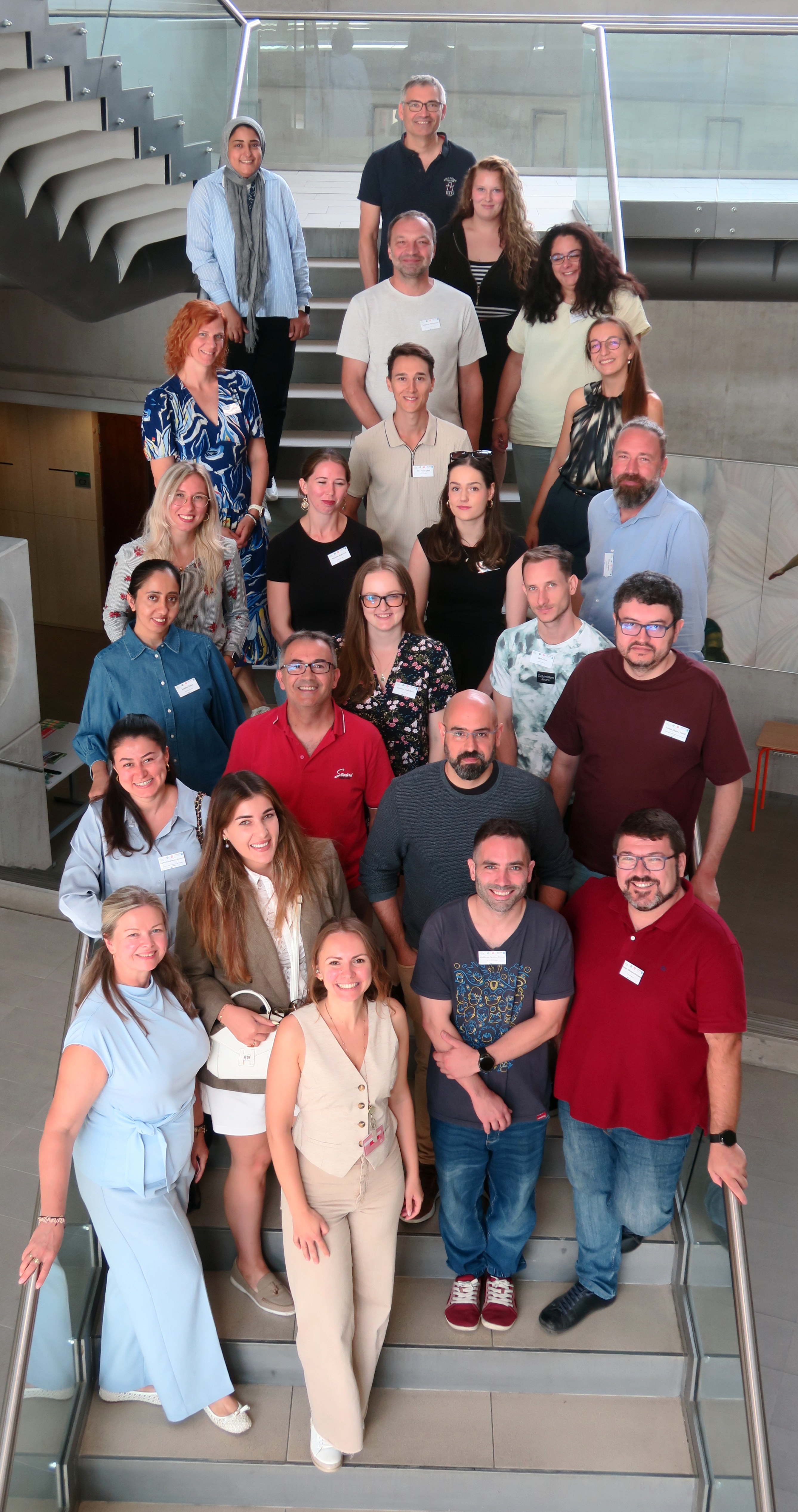
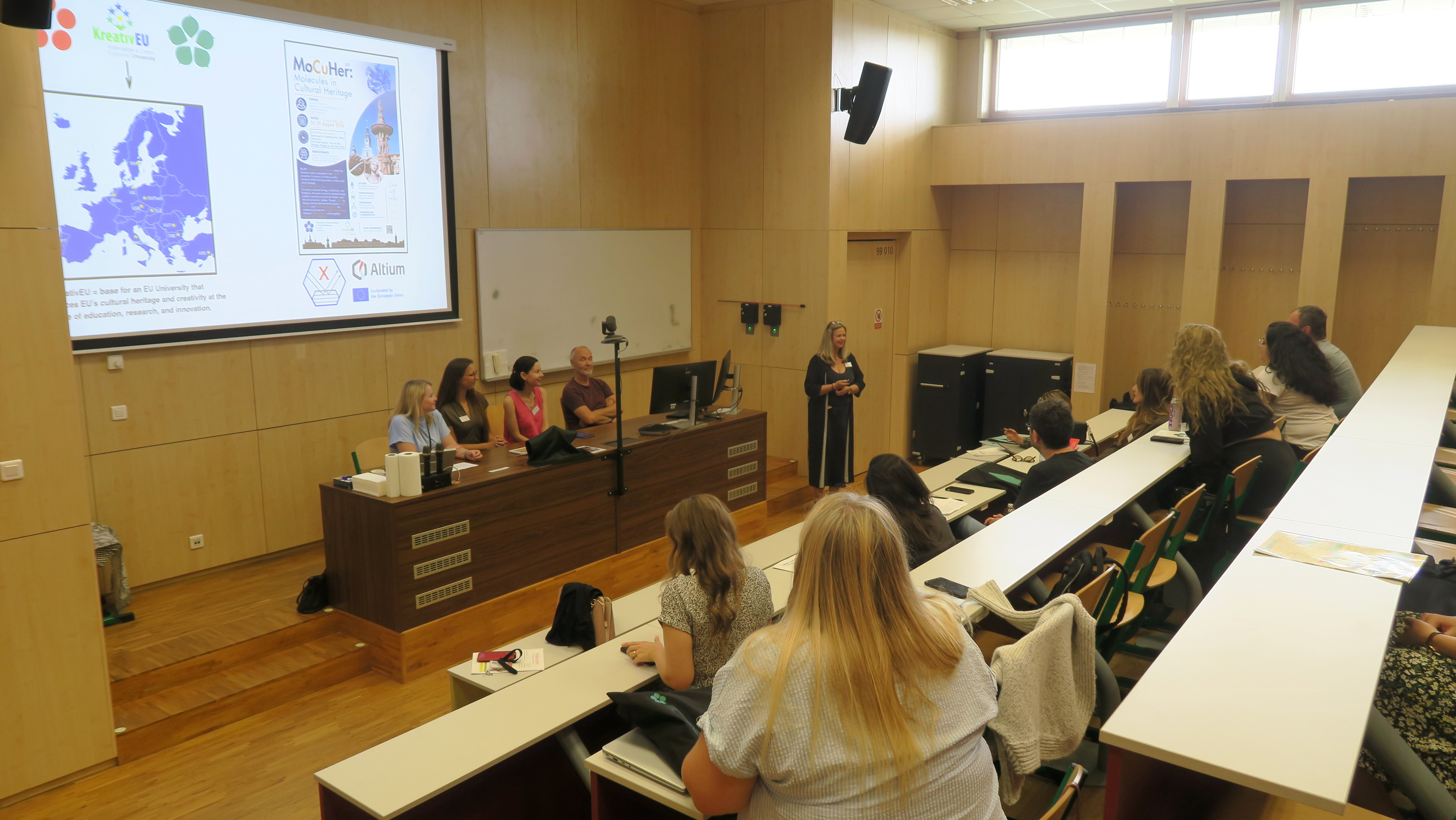
The programme was officially opened by the BIP Chair, Prof. Ivana Kuta Smatanova, and brought together a diverse international community comprising 15 speakers, 16 students, and 10 additional participants from eight countries and 13 cities.
The programme started with a one-day online meeting on 21 August, during which participants introduced themselves and had the opportunity to get to know each other before the in-person part of the BIP. They also received information about the MoCuHer programme, its objectives, organisation, main topics and planned activities. The online meeting provided an important introduction to the programme and helped establish an open and collaborative atmosphere among participants from different countries and academic backgrounds.
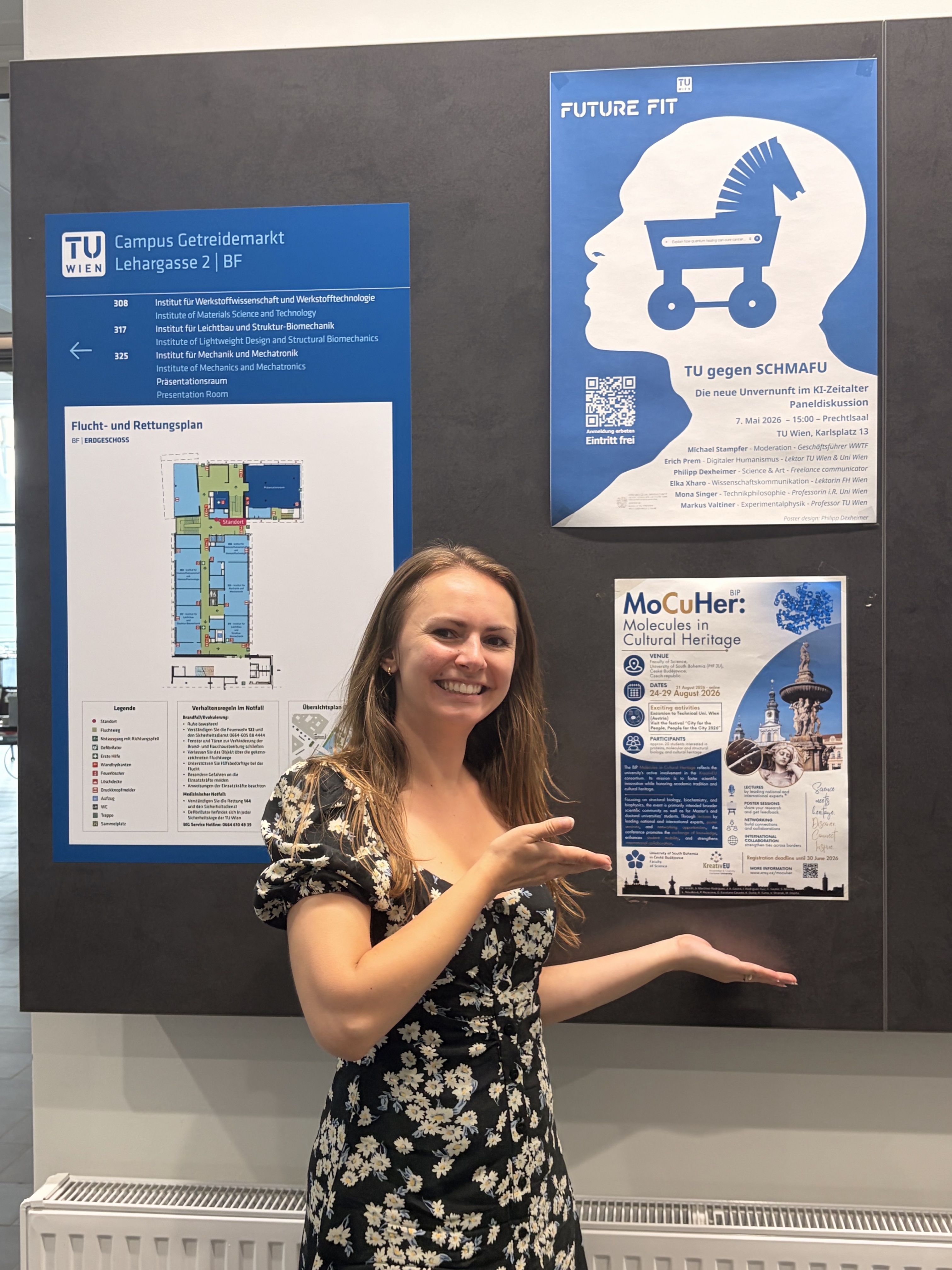
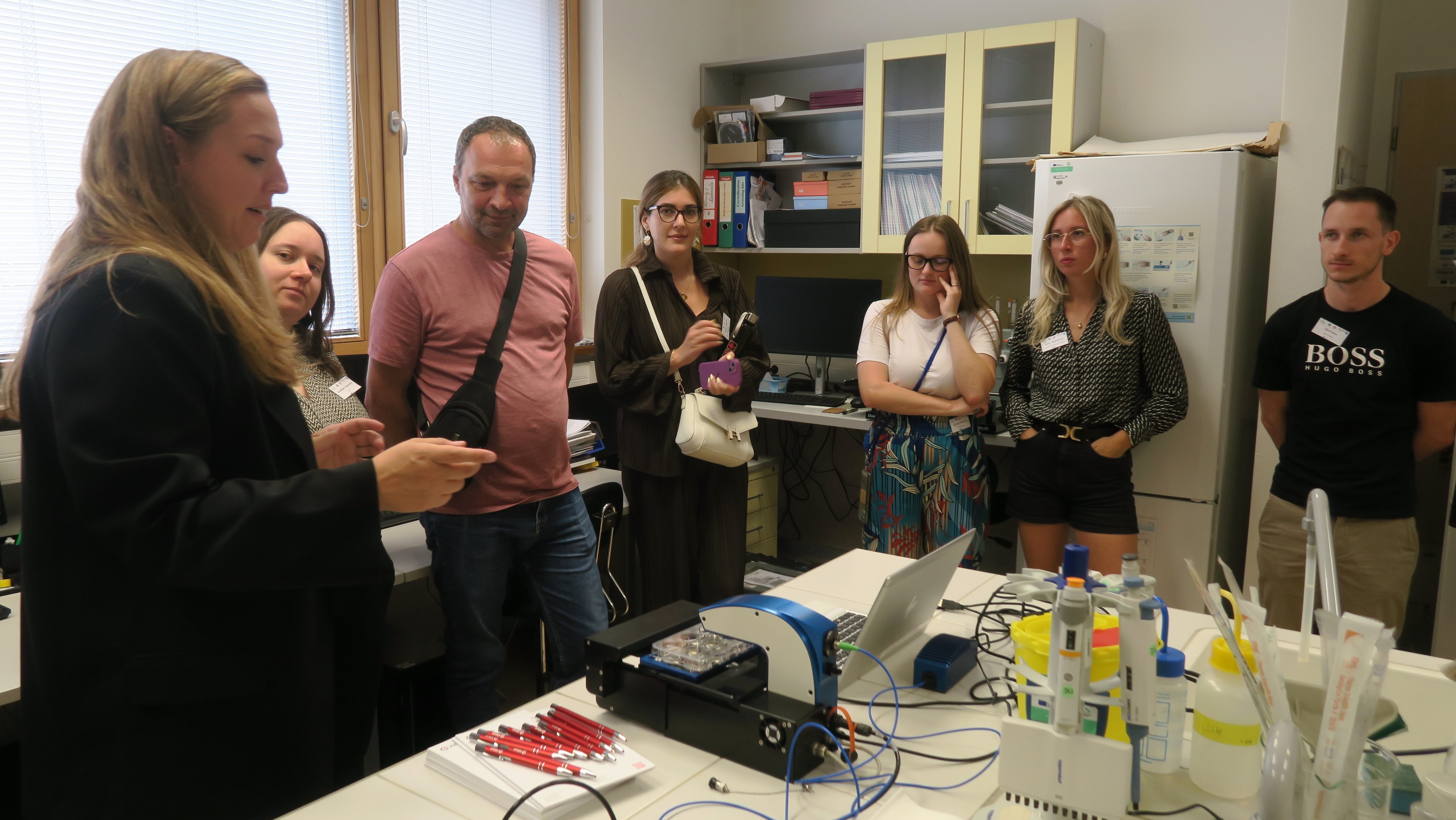
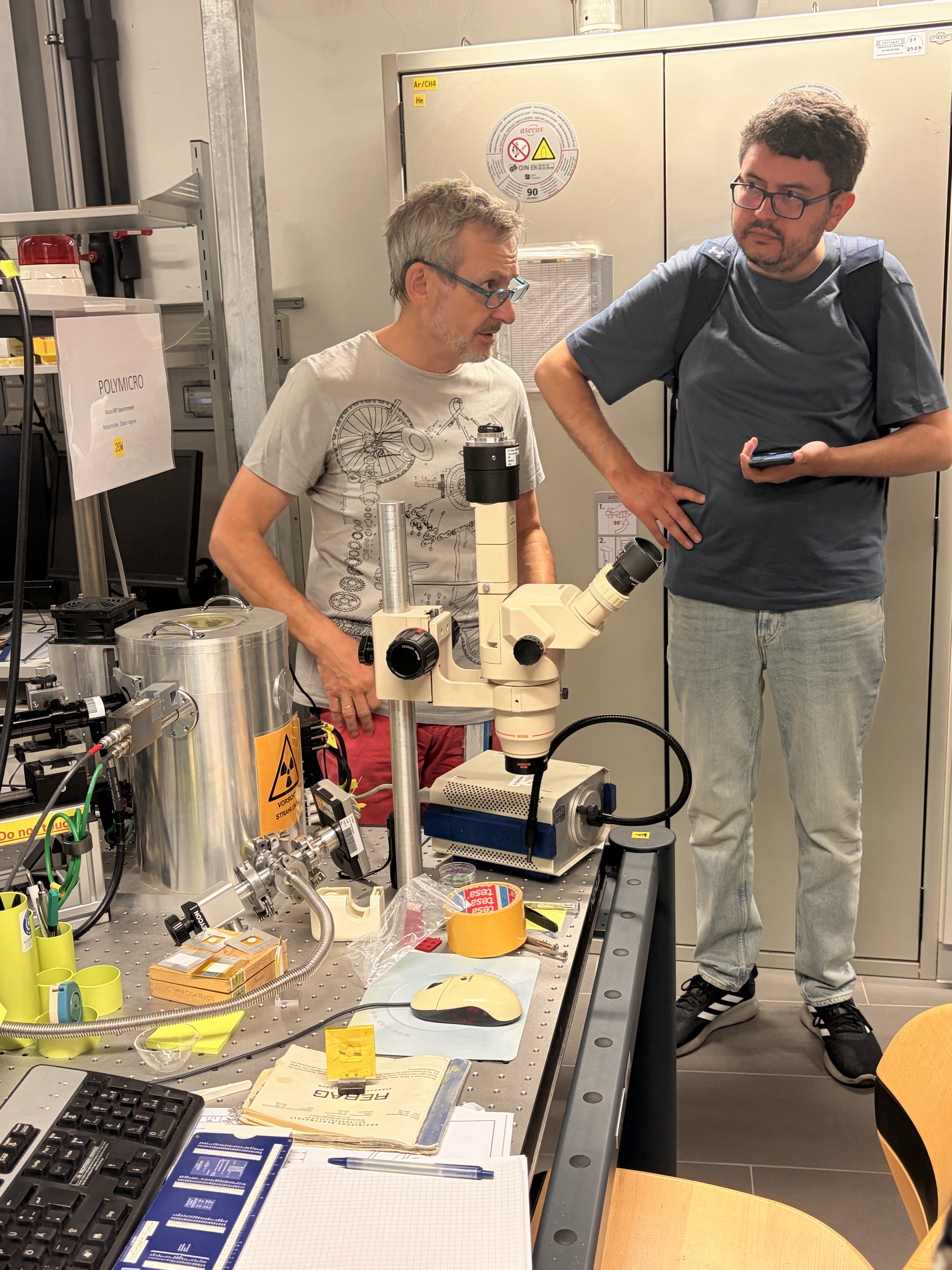
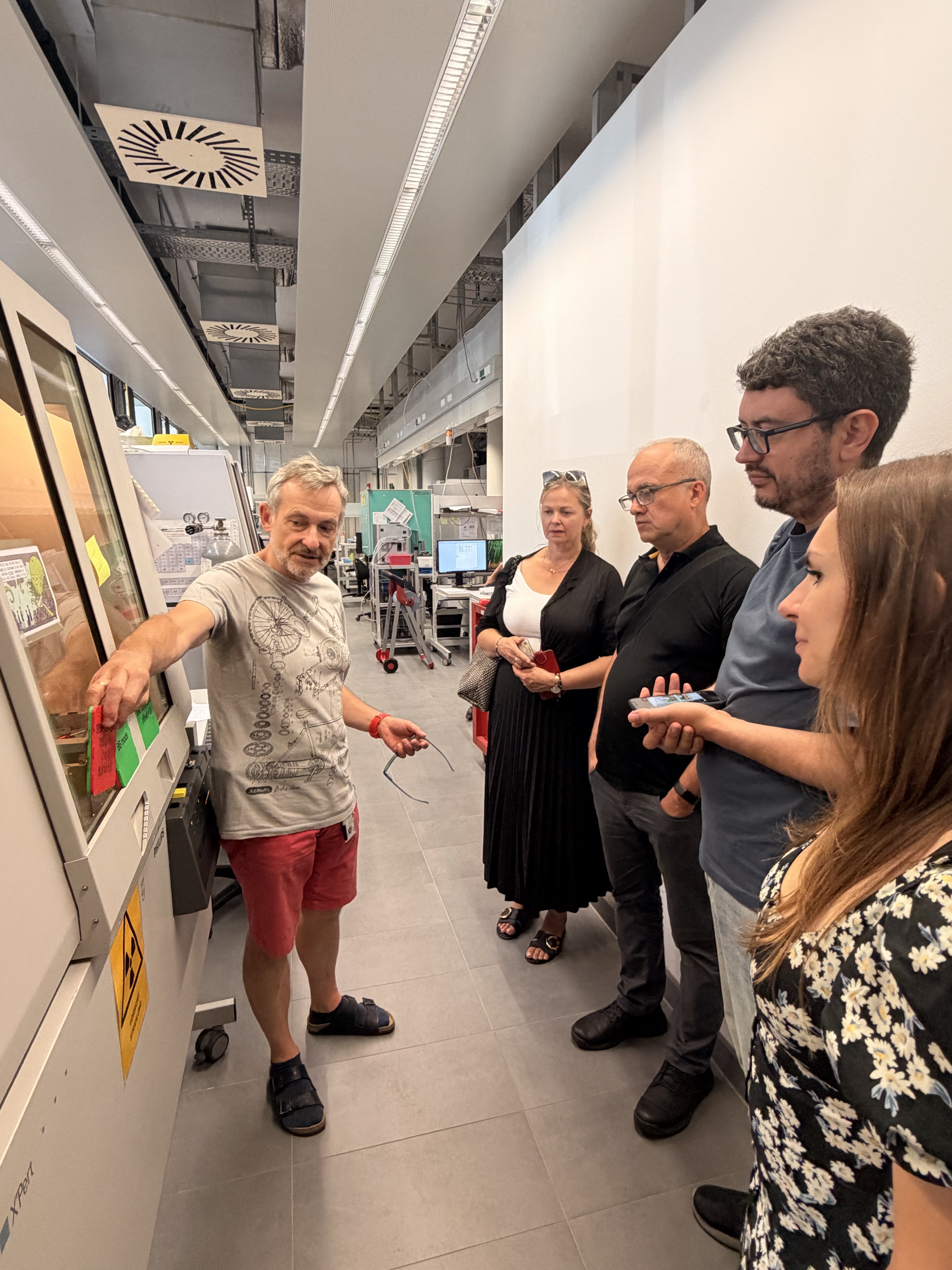
Throughout the in-person programme, participants attended 15 expert lectures and practical demonstration prepared by Altium International s.r.o. company and had many opportunities to discuss their research and exchange experience. An important part of the BIP was a visit to the X-ray Center (XRC) of TU in Vienna, offering participants an insight into advanced methods used in Heritage Science. During the visit, Dr. Klaudia Hradil and her colleague Dr. Valentina Ljubic Tobisch introduced the group to the activities of the XRC and provided an overview of the centre’s work related to Heritage Science investigations. Participants could learn how X-ray-based techniques and research infrastructure can contribute to the investigation and characterisation of cultural heritage materials as well as about current scientific approaches and technologies.
An integral part of the programme was intensive project-based work carried out by the students. The participants were divided into international working groups in which they developed their own projects and prepared posters focused on the main themes of the BIP MoCuHer - Molecules in Cultural Heritage. In doing so, they combined knowledge gained from expert lectures and practical demonstrations with teamwork, discussion, and their own experience. This project-oriented component encouraged students to integrate different scientific approaches, develop interdisciplinary thinking, collaborate effectively within a team, and apply newly acquired knowledge to specific questions related to the study, preservation, and understanding of cultural heritage.
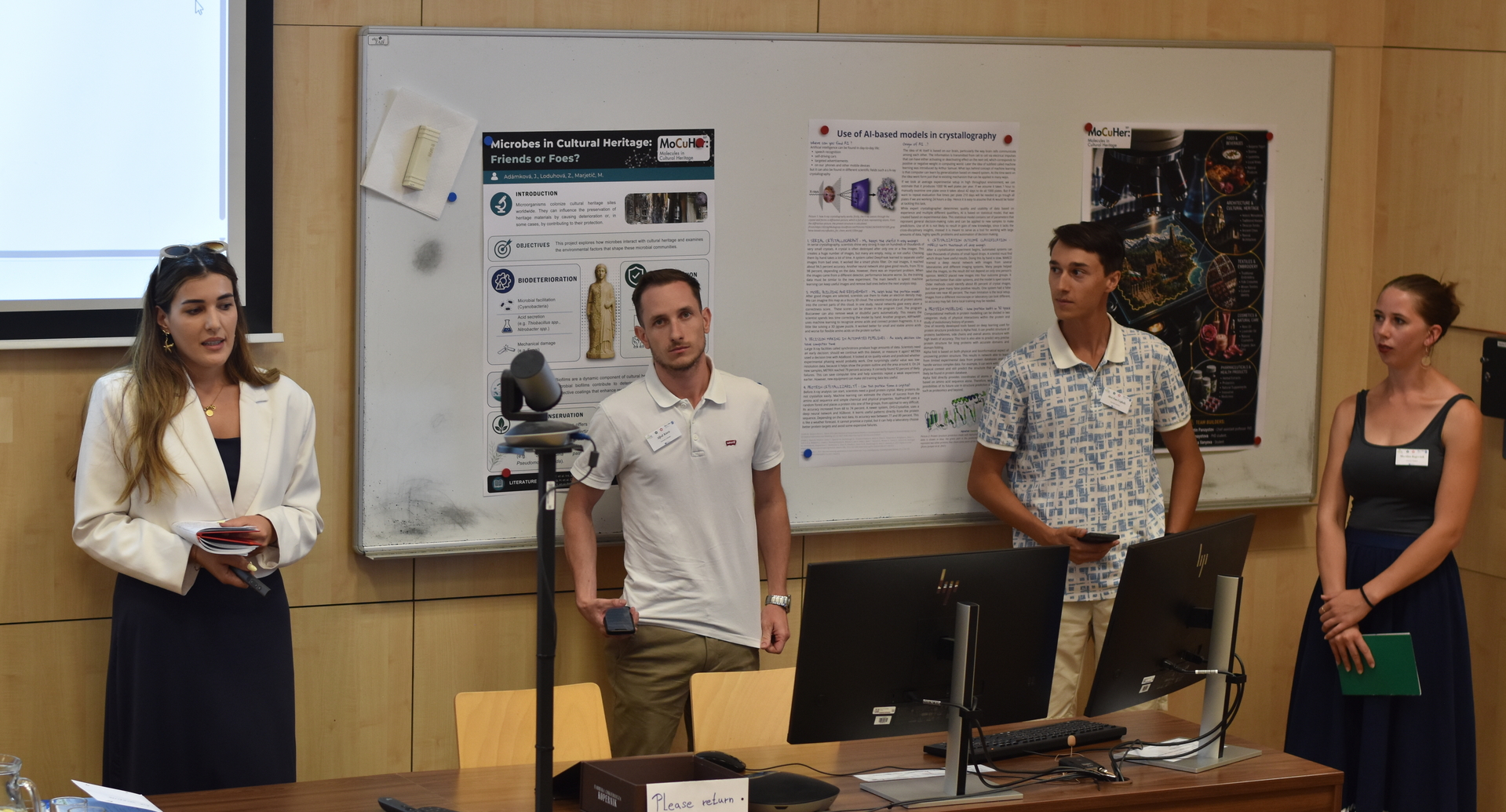
The work of each team resulted in a scientific poster, which was printed and presented on the final day of MoCuHer before a four-member evaluation committee composed of lecturers and recognised experts in their respective fields. The students therefore had the opportunity not only to present the outcomes of their collaborative work, but also to defend their conclusions, respond to expert questions, and discuss the methods and approaches they had chosen.
After evaluating all posters and presentations, the committee awarded first prize to the team consisting of Maša Marjetič (University of Ljubljana), Zuzana Loduhová (University of Trnava), and Jana Adámková (University of South Bohemia) for their poster and presentation entitled “Microbes in Cultural Heritage: Friends or Foes?”. All other student teams were awarded joint second place, recognising the high scientific quality, creativity, and presentation skills demonstrated across all projects.
The programme successfully connected science with cultural heritage and demonstrated how different disciplines can inspire and complement each other. Scientific activities were accompanied by a rich social programme, giving students, lecturers and other participants plenty of opportunities to meet, communicate and establish new international contacts. A visit to the City for People festival added another dimension to the programme and connected academic activities with the life and culture of the city.
Participants from different countries and academic environments were connected not only through science, but also through shared experiences and social activities. The friendly and open atmosphere encouraged lively discussions, new ideas and future collaborations. Students and lecturers greatly appreciated the opportunity to learn together in such an international and interdisciplinary environment. The very positive feedback from participants confirmed the value of BIP activities as an excellent way to combine education, science, mobility, interdisciplinary cooperation and personal encounters.


