


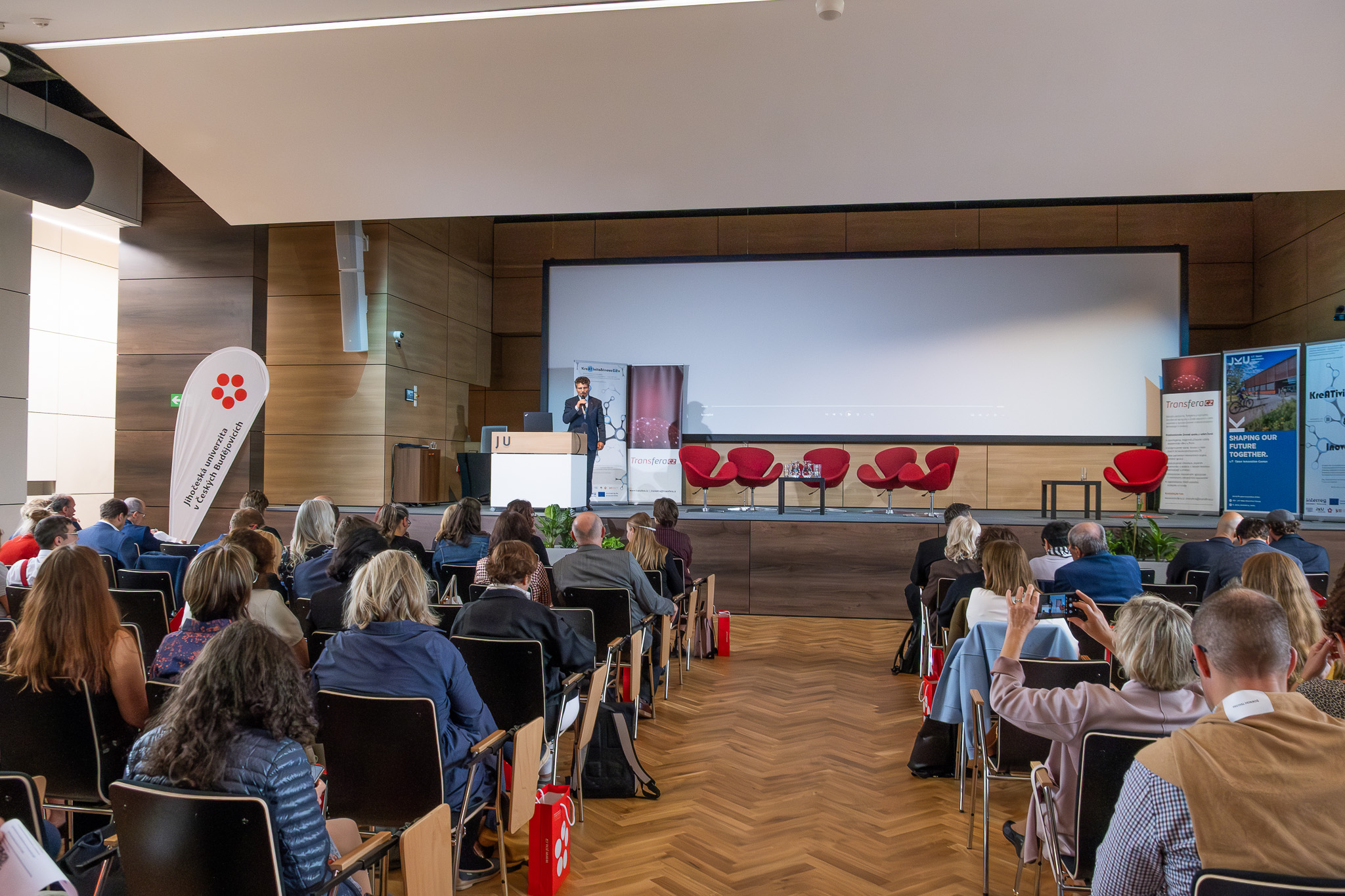
On June 10th, the international conference KreATivity and InnovaCZion took place in the auditorium of the University of South Bohemia in České Budějovice. The event also served as the closing event of a cross-border project and simultaneously as the National Conference on Technology Transfer. The atmosphere of the conference met the expectations of both organizers and attendees — figures from academia, the public sector, business, and the creative industries gathered to jointly discuss the role of innovation in today's society.
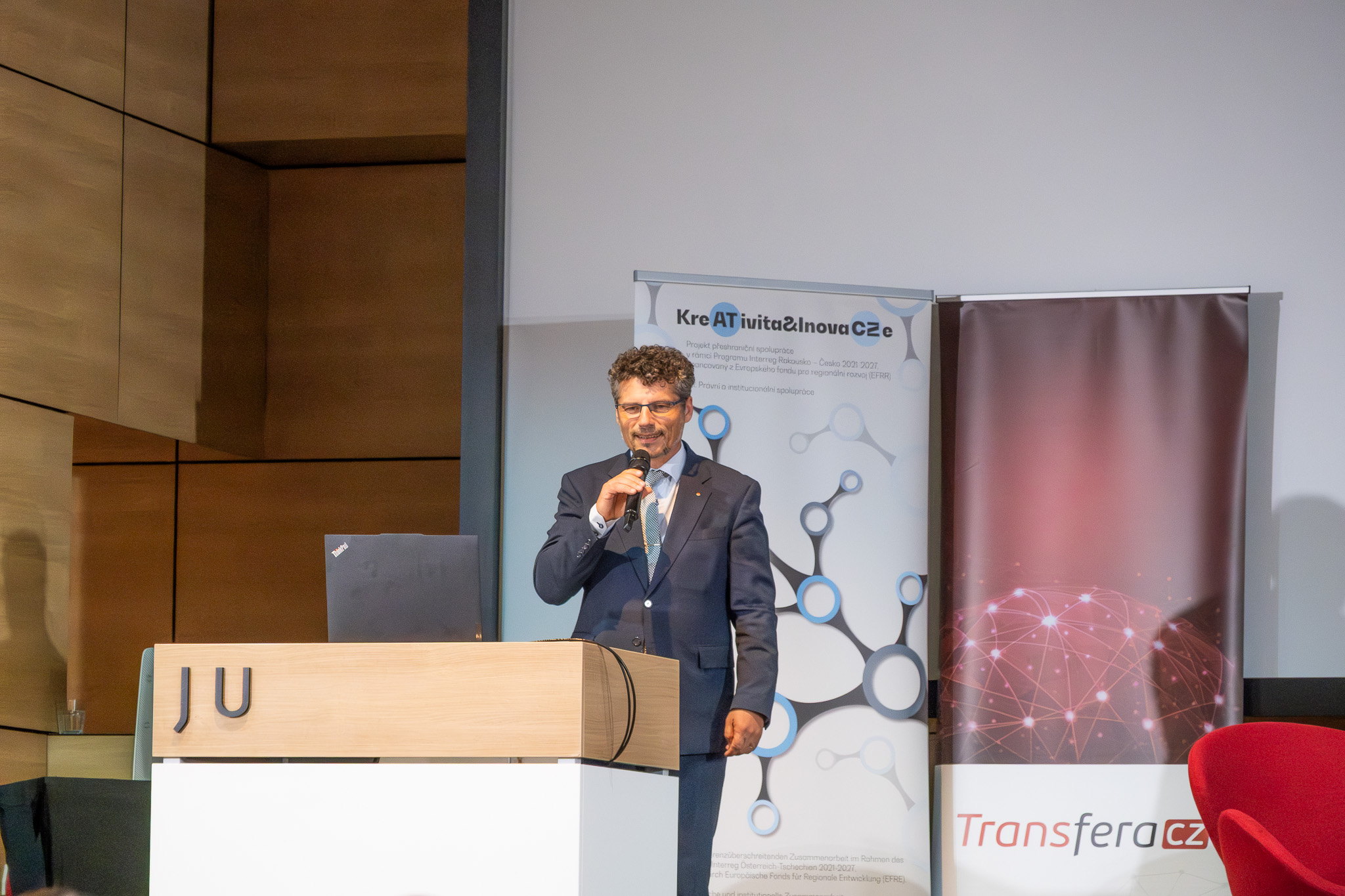
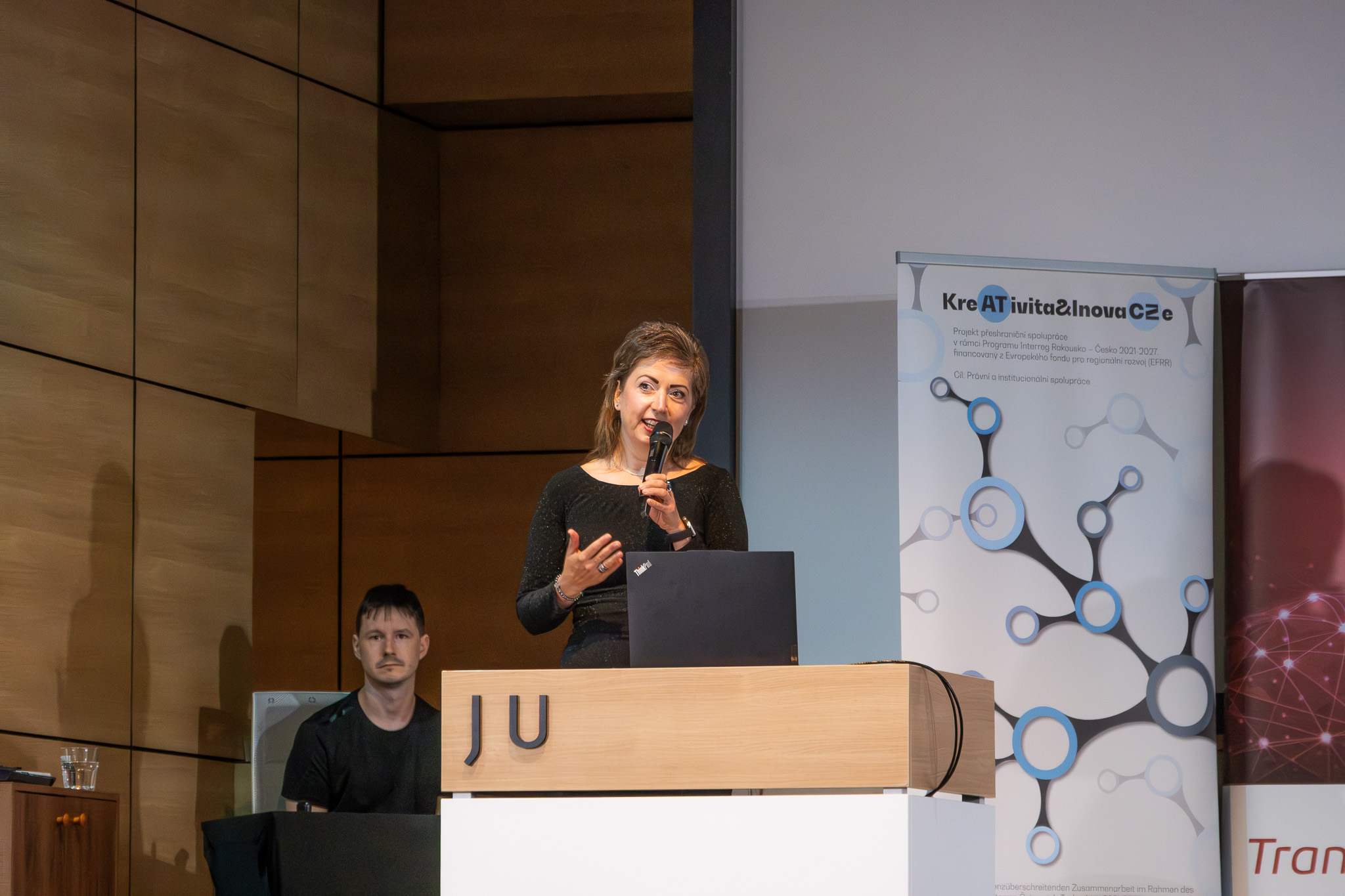
The conference was opened by the Rector of the University of South Bohemia, Prof. Pavel Kozák, and the opening remarks were complemented by prominent public figures, including the Deputy Governor of the South Bohemian Region, Lucie Kozlová, and the Mayor of České Budějovice, Dagmar Škodová Parmová. Their participation underscored the significance of the topic — innovation and creativity are no longer solely the domain of research institutions, but a crucial factor in regional development and competitiveness.
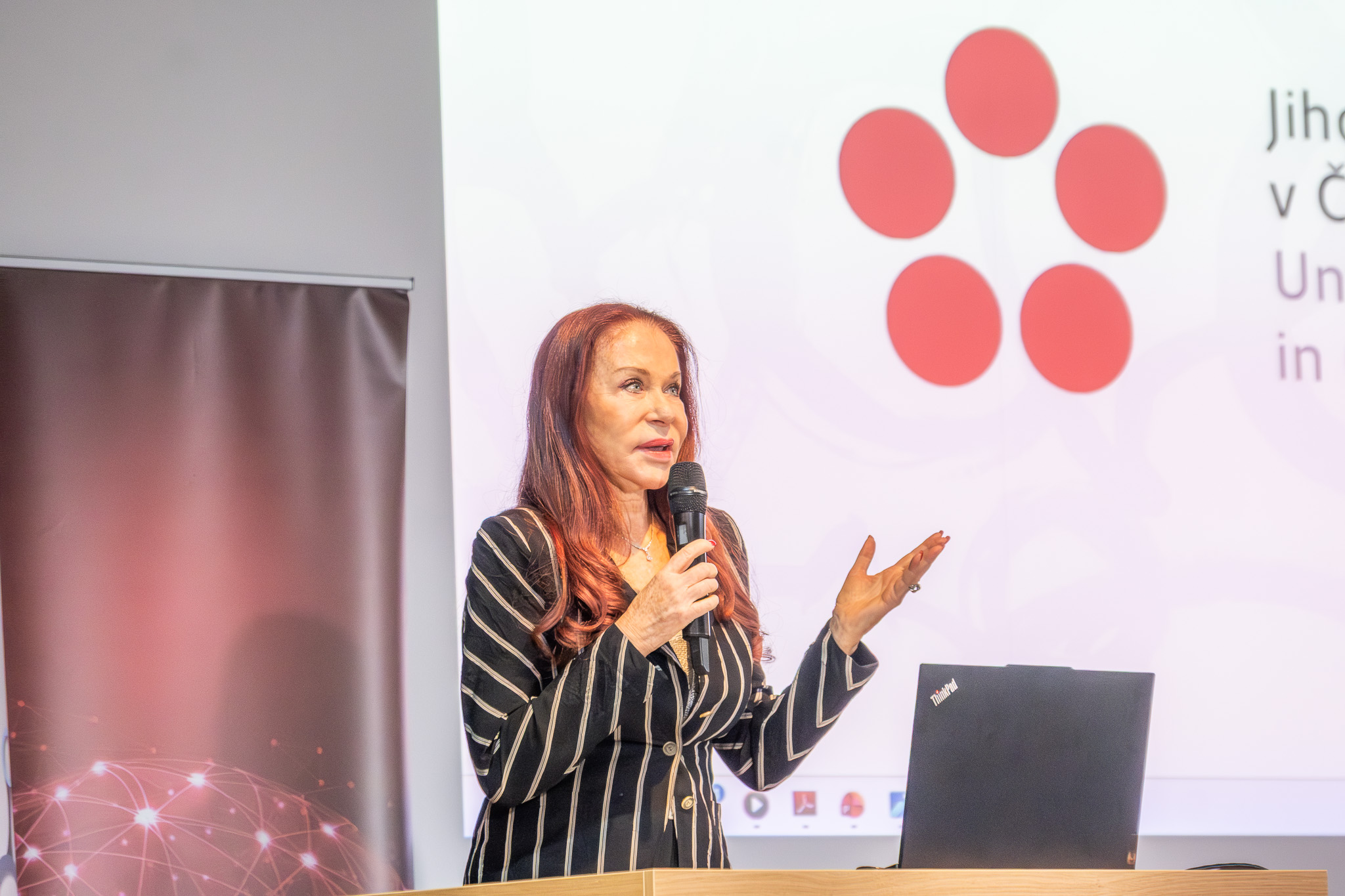
The conference programme offered inspiring perspectives from a variety of angles. A particularly notable contribution came from internationally acclaimed fashion designer Blanka Matragi, whose presentation demonstrated that creativity can be a powerful driver of innovation even in fields not traditionally associated with science.
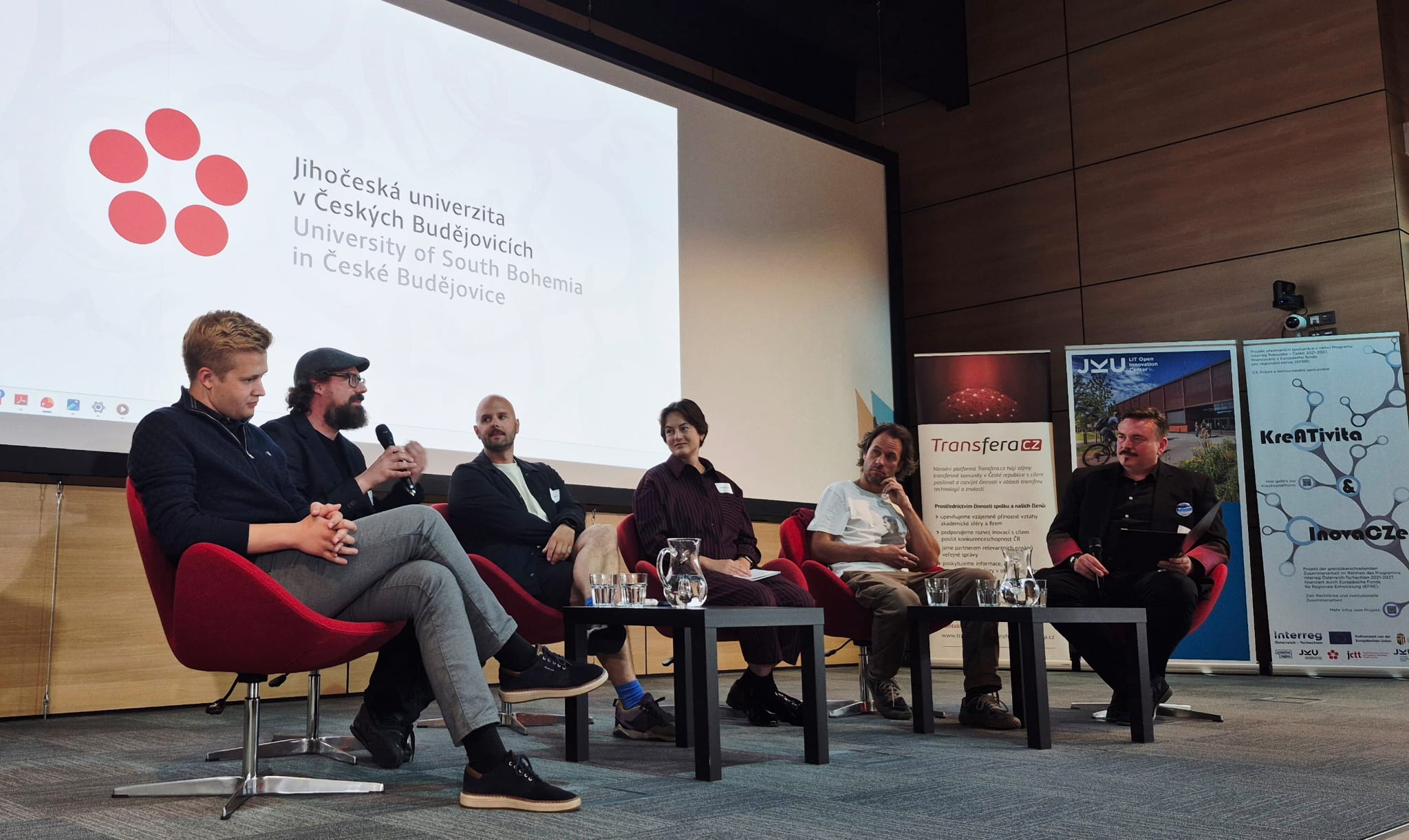
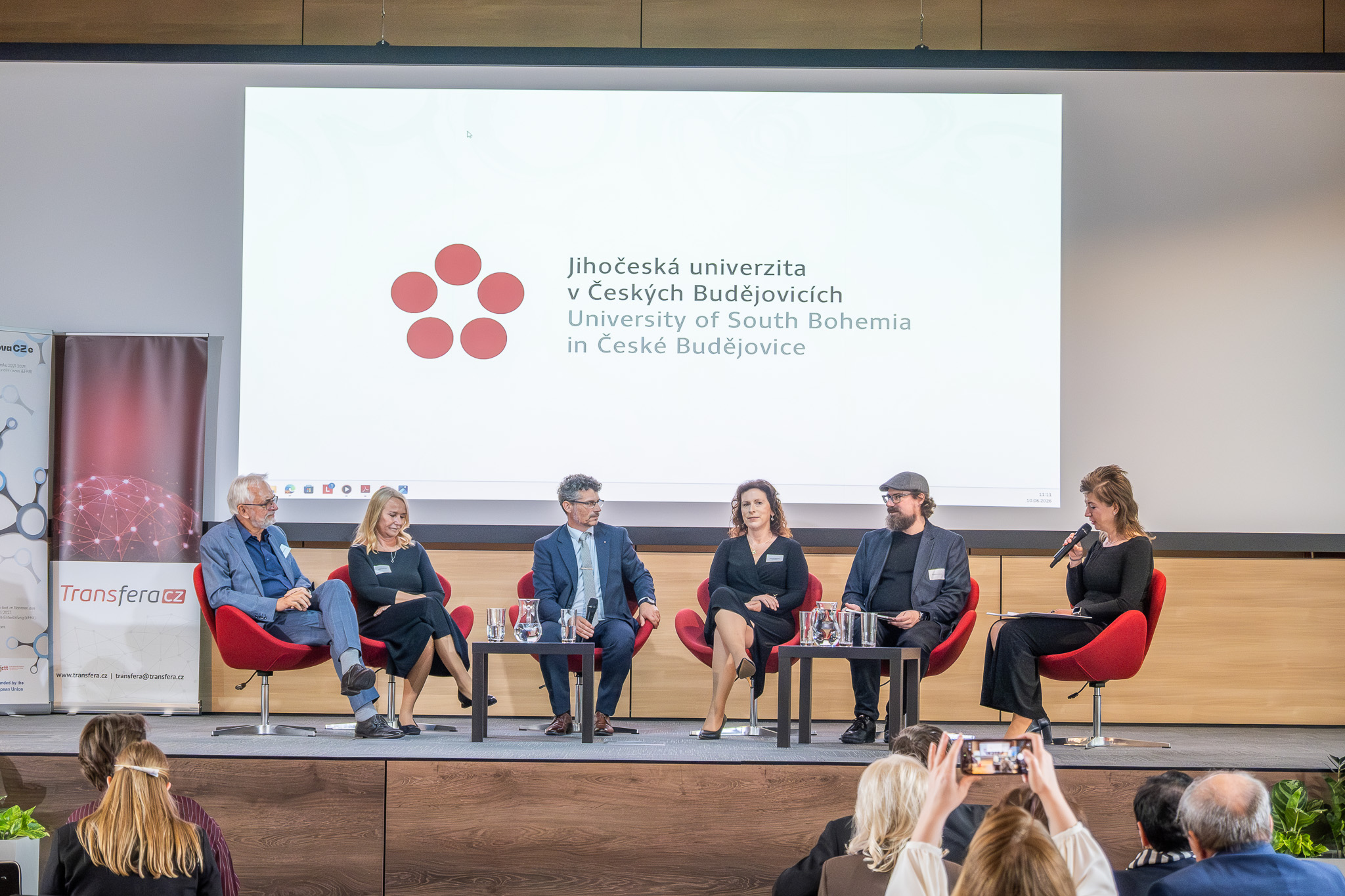
One of the central themes of the conference was the support of innovation as an essential tool for societal development. This aspect resonated particularly strongly during the panel discussion, where representatives from academia, public administration, and international institutions agreed that effective collaboration between these sectors is key to successful technology transfer. The discussion brought both concrete examples of good practice and the challenges faced by the innovation support system.
An important element of the programme was also dedicated to open science and knowledge sharing. A contribution focused on open science demonstrated that transparency and accessibility of scientific data significantly accelerate innovation and strengthen the connection between research and practice.
The afternoon session focused on international cooperation and experiences from abroad. Presentations were delivered on the Polish system of research commercialisation and on current initiatives of the World Intellectual Property Organization (WIPO), pointing to new directions in technology transfer. These perspectives highlighted the importance of sharing experience across countries and strengthening the European innovation ecosystem.
This was followed by a session dedicated to technology transfer itself as a tool of the innovation process, emphasising its role in translating research outcomes into practice and their application in the economy.
A significant part of the conference, held towards its conclusion, was a discussion bridging science and the creative industries. The "Creativity in Practice" panel showcased how collaboration among artists, designers, students, and technology experts can generate fresh impulses and unconventional solutions. This interdisciplinary approach was widely regarded by participants as one of the key trends in today's innovation landscape.
The conference was not solely about expert discussions, however. The day before the main programme, a workshop took place focusing on WIPO support for universities and new trends in technology transfer, complemented by an open discussion with international experts. Participants also had the opportunity to engage in accompanying activities, such as guided city tours and a social evening, which created space for informal networking.
The closing conference of the KreATivity and InnovaCZion project thus confirmed that the interconnection of creativity, science, and innovation is a key prerequisite for sustainable development. The gathering in České Budějovice offered not only inspiration, but also concrete impulses for further cooperation across institutions and countries.


