


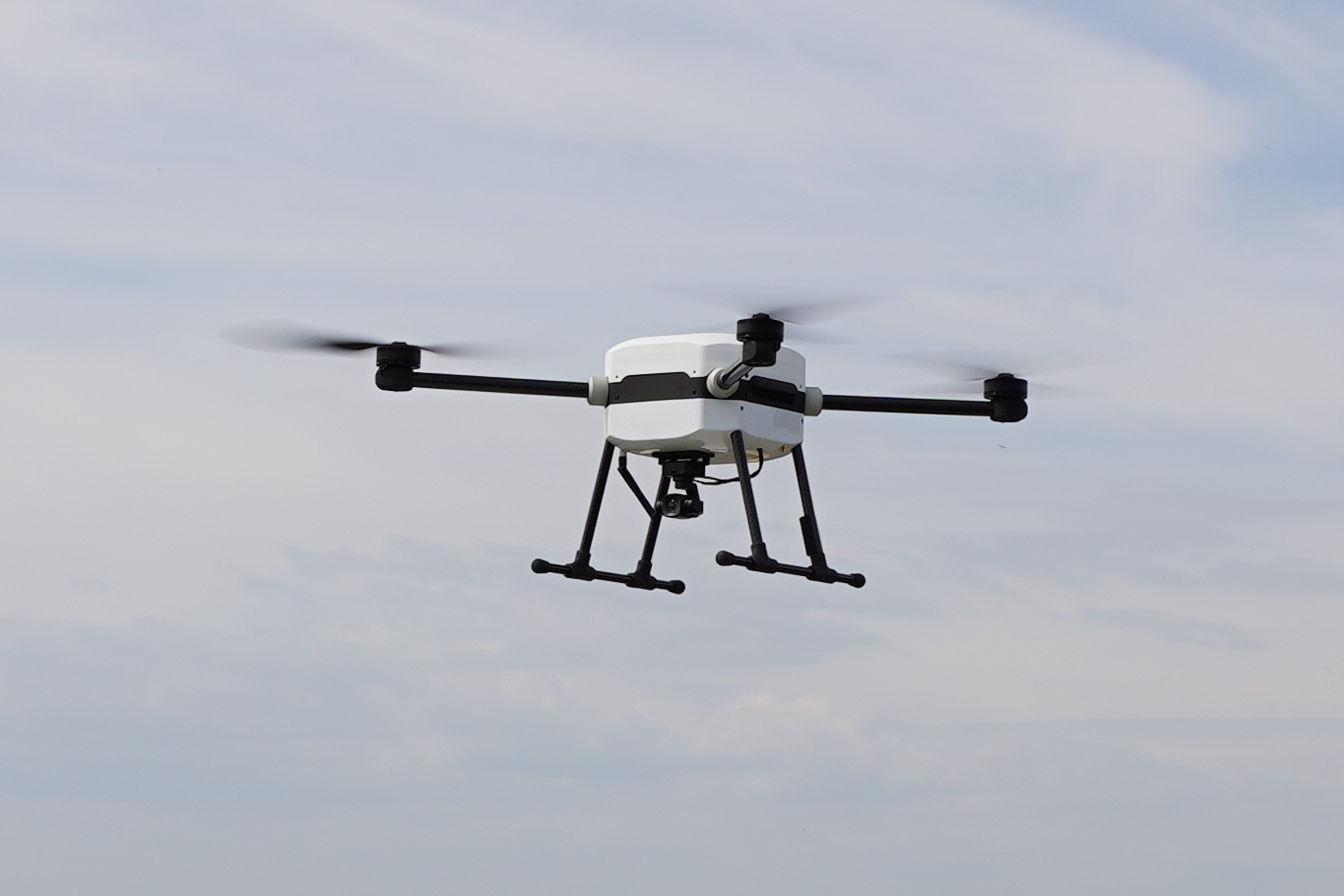
Scientists from the University of South Bohemia are developing an autonomous aerial system that could significantly improve the efficiency of rescuing roe deer fawns before haymaking. The goal of the project is not to create another pilot-operated drone, but an intelligent system capable of independently monitoring large areas, locating wildlife, and deciding on further actions without human intervention. The project, supported by the Technology Agency of the Czech Republic, is being carried out in cooperation with the technology company Fly4Future.
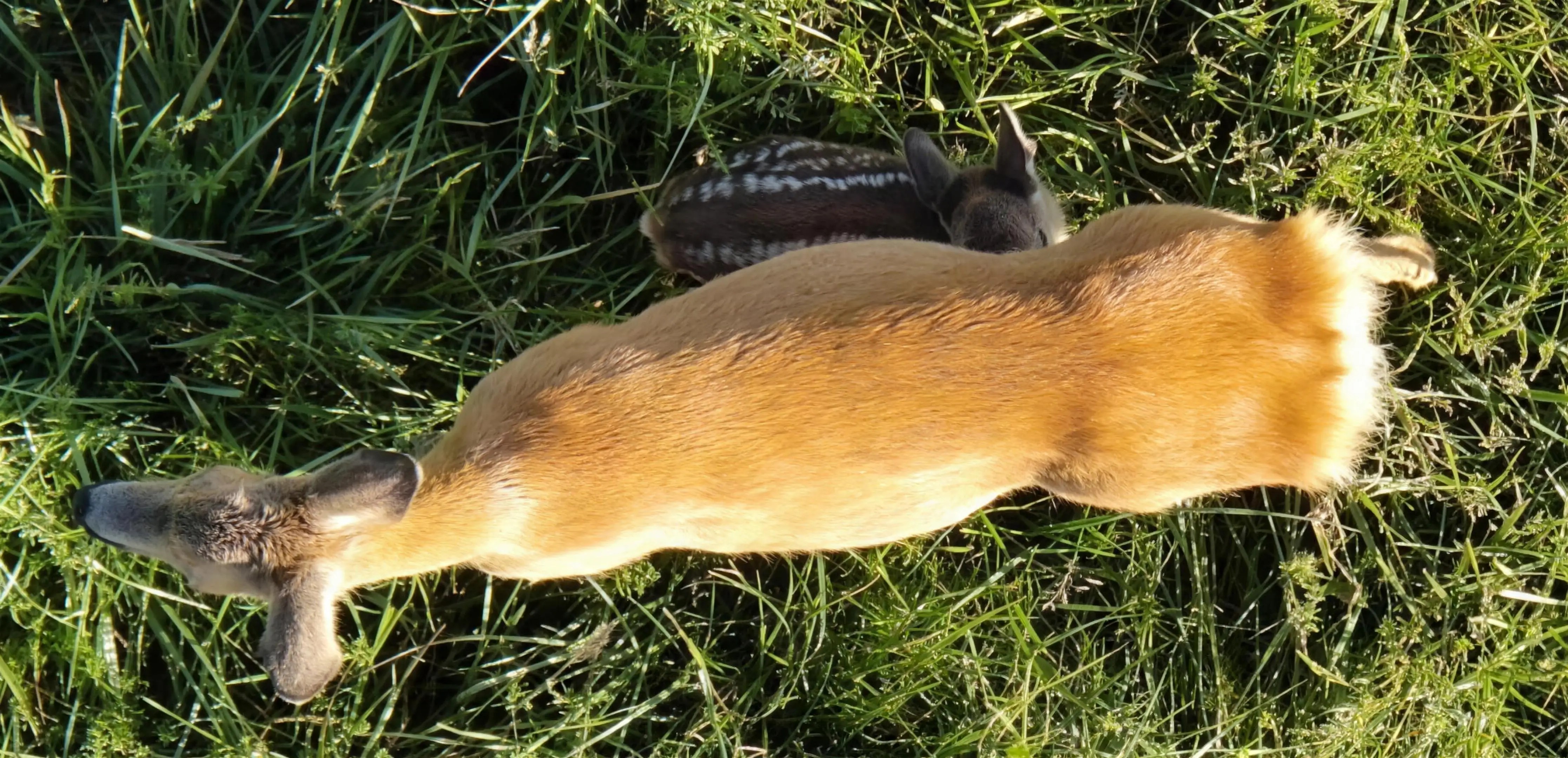
Every year, thousands of fawns die in the Czech Republic during meadow mowing. Instinctively, they hide in the grass and do not flee from approaching machinery — the critical period in this respect is May and June. Volunteer rescue teams often use drones equipped with thermal cameras for monitoring, but their operation requires skilled pilots and considerable time commitment. The newly developed system is intended to automate much of this work.
Volunteers can share rescue videos to help train AI
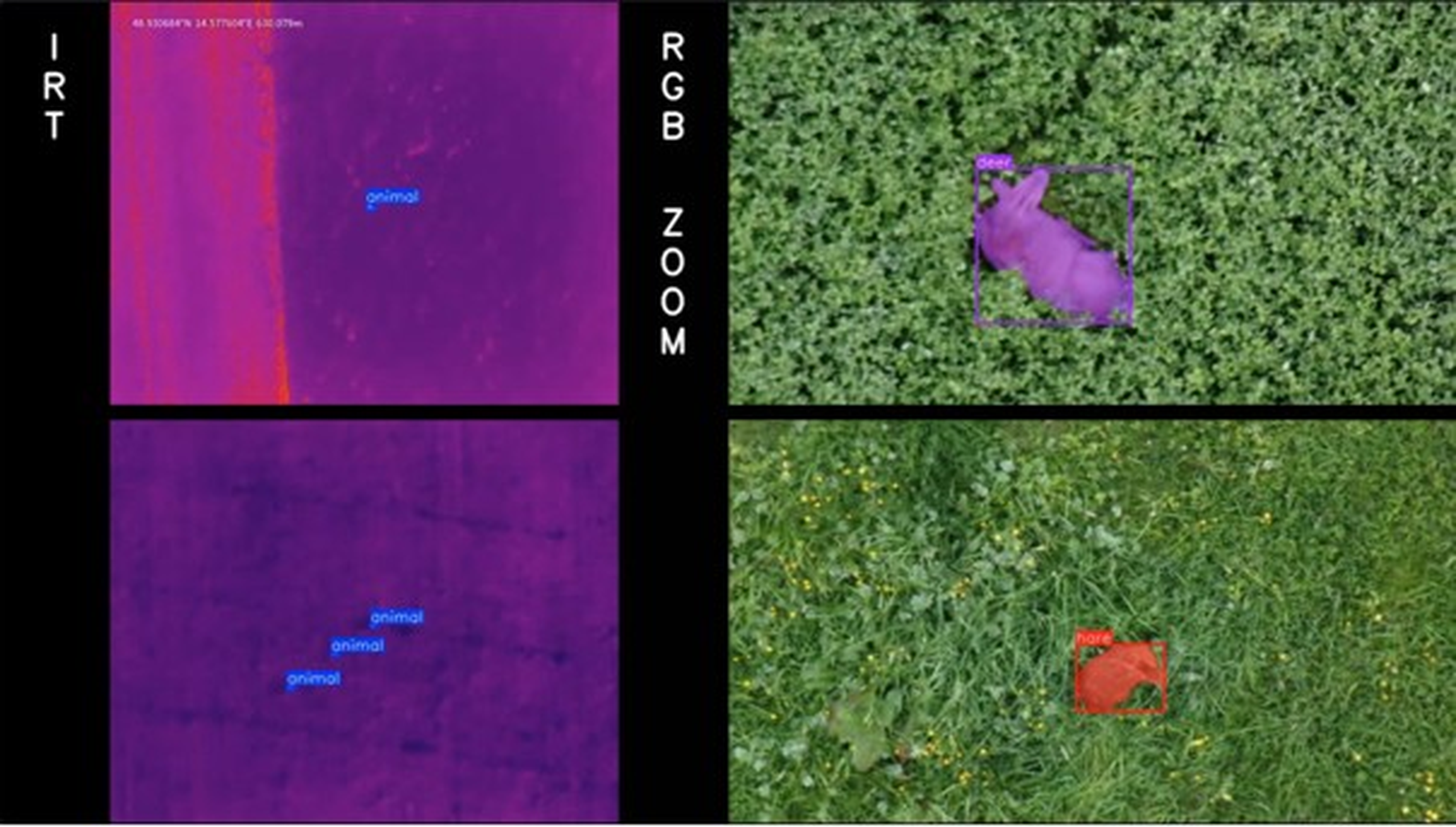
“We have currently tested the first prototype of an unmanned system for automatic detection of fawns in vegetation. Based on quality requirements for the collected data, Fly4Future, the main project contractor, designed a platform with a suitable optical sensor and sufficient computing power. Our research team is focused on training neural networks for wildlife detection. Anyone involved in rescuing fawns before haymaking can support the research project by sharing rescue videos with us and thus helping to expand our dataset,” explains Radim Kuneš, Head of the Department of Engineering and Cybernetics at the Faculty of Agriculture and Technology at the University of South Bohemia.
Time savings – more fawns saved
The system being developed first autonomously monitors a selected area from a higher altitude using a thermal camera. The software then evaluates locations with probable wildlife presence and plans the most energy-efficient route for closer inspection. The drone subsequently flies automatically between selected points, uses data from both thermal and RGB spectra, and decides in real time whether it has indeed detected a fawn. After completing the mission, it returns independently to its starting position.
“The main advantage should be time savings. The system can plan the most efficient monitoring route on its own, allowing the operator to cover more areas. Moreover, rescue operations take place early in the morning, when the temperature difference between animals and their surroundings makes detection much easier,” adds Radim Kuneš.
Future: swarms of autonomous drones in precision agriculture
A key component of the project is the development of advanced autonomy. The system uses onboard computing power, computer vision algorithms, trajectory planning, and obstacle detection and collision avoidance systems. This enables it to operate safely and reliably in various conditions without continuous pilot control.
“Our vision is not to create tools that require more and more pilots and operators. We want to develop autonomous systems capable of independently collecting data, evaluating situations, and assisting people where time or capacity is lacking. Fawn rescue is an excellent example of a practical application of this technology. In the future, we expect that such tasks will not be performed by individual drones, but by whole swarms of autonomous flying robots that will divide the work among themselves and monitor large areas faster, more safely, and more efficiently than humans,” says Vojtěch Spurný, Head of Software Development at Fly4Future.
The project has broader ambitions than wildlife protection alone. Autonomous monitoring technology could also play a role in precision agriculture in the future. It could provide farmers with valuable information about crop conditions, improve irrigation and fertilization planning, and help protect biodiversity in agricultural landscapes.
Within the framework of the Technology Agency of the Czech Republic program, the project involves collaboration between the University of South Bohemia and Fly4Future, together with partners from National Yang Ming Chiao Tung University in Taiwan and the Industrial Technology Research Institute (ITRI), which primarily contributes to the development of algorithms for efficient movement of autonomous systems.


