


How did tomatoes or tobacco reach Europe? And which Europeans were the first to taste these crops? A new study by scientists from nine European countries, led by researchers from the Laboratory of Archaeobotany and Palaeoecology at the Faculty of Science of the University of South Bohemia in České Budějovice, reveals how American plants spread into Europe after 1492 — first as luxury goods of the elite, later as a common part of the diet. An analysis of more than 180 archaeobotanical finds of plants of American origin shows that their spread into Europe was closely linked to trade networks, power, and prestige. The research presents the most comprehensive picture of this process to date.
The research connects archaeobotanical data with historical sources and shows how crops such as potatoes, tomatoes, maize, tobacco, and cacao gradually penetrated the European environment. The earliest occurrences of these plants are associated primarily with elite settings — royal courts, urban centers, or monasteries. American crops initially functioned as symbols of prestige, exoticism, and economic power. Only gradually did some of them spread to broader layers of society and become part of everyday diet, without which we can no longer imagine ordinary life.
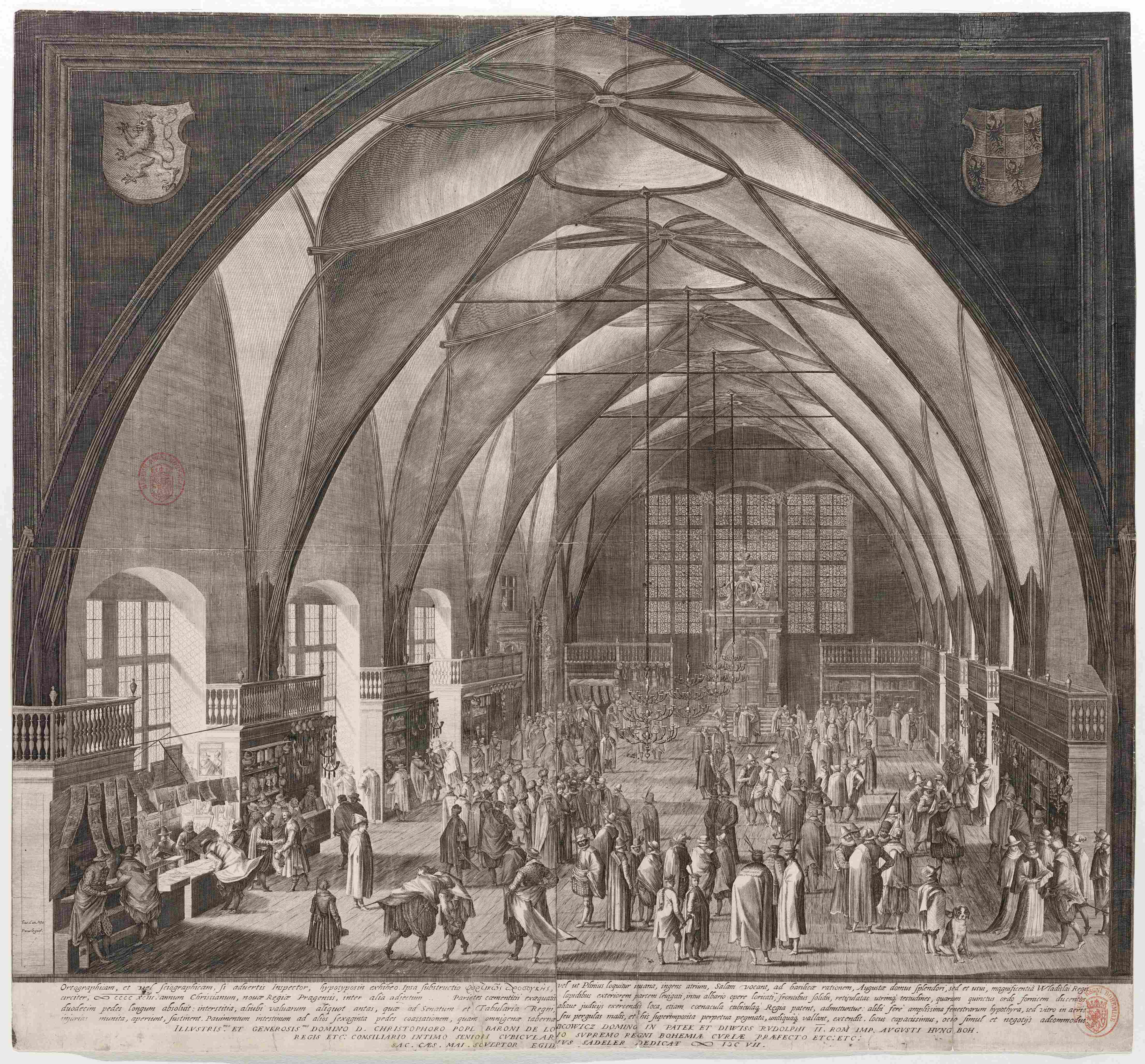
The study also shows that the spread of these plants was closely intertwined with early modern trade networks, colonialism, and cultural exchange between continents. The Czech Lands were significantly affected by this wave of crop globalization during the reign of Emperor Rudolf II, when his Habsburg court at Prague Castle was connected to Madrid and the Spanish Netherlands. Plants from the New World thus penetrated deep into the European continent. This is demonstrated by the Faculty of Science of the University of South Bohemia's long-standing archaeobotanical research, conducted in collaboration with the Institute of Archaeology of the Czech Academy of Sciences at Prague Castle. "Plant remains of American origin were particularly well preserved. They were found dried as part of lightweight vault fill beneath the floor of Vladislav Hall," emphasized the lead author of the study, Jitka Irmišová.
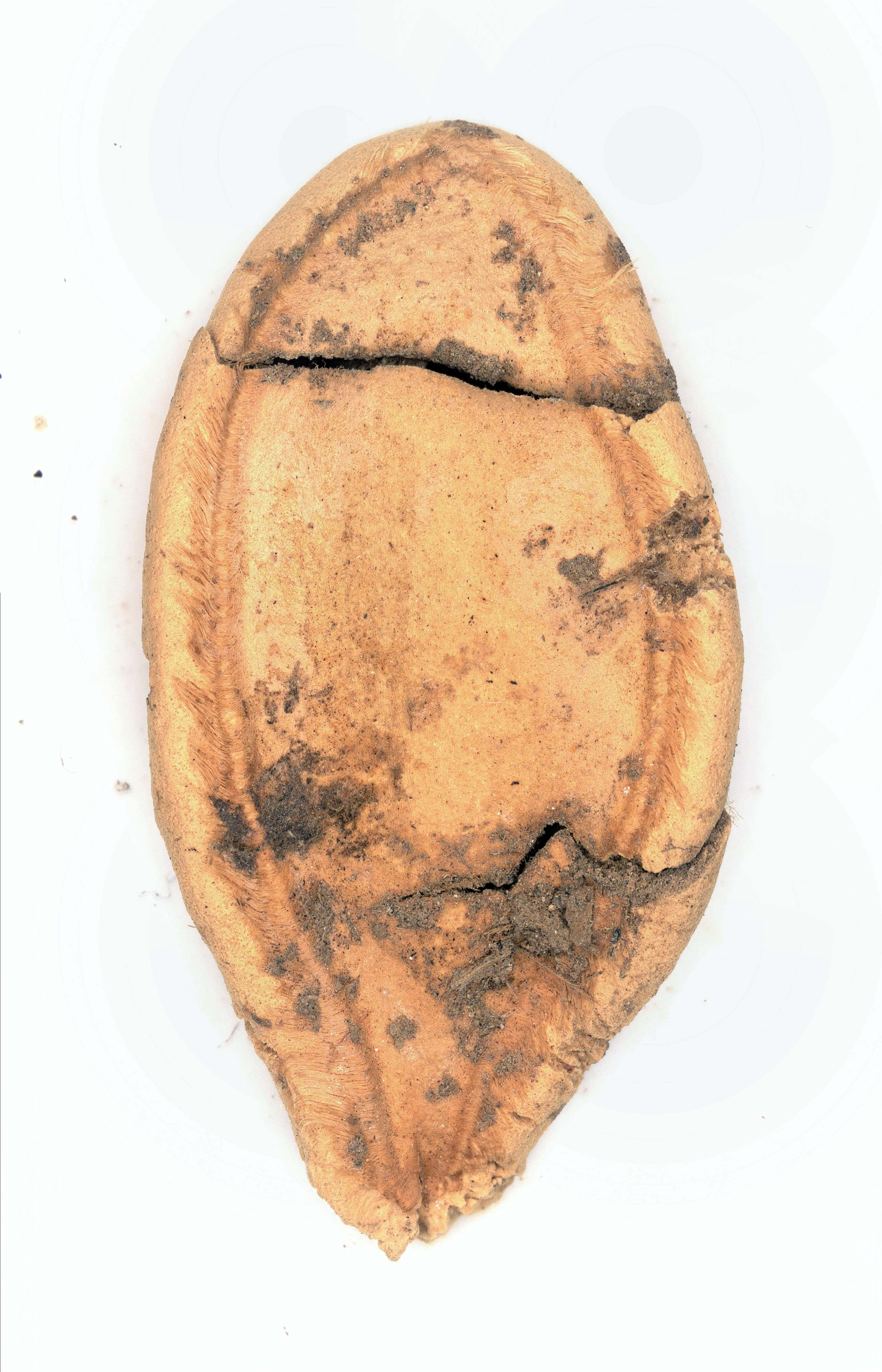
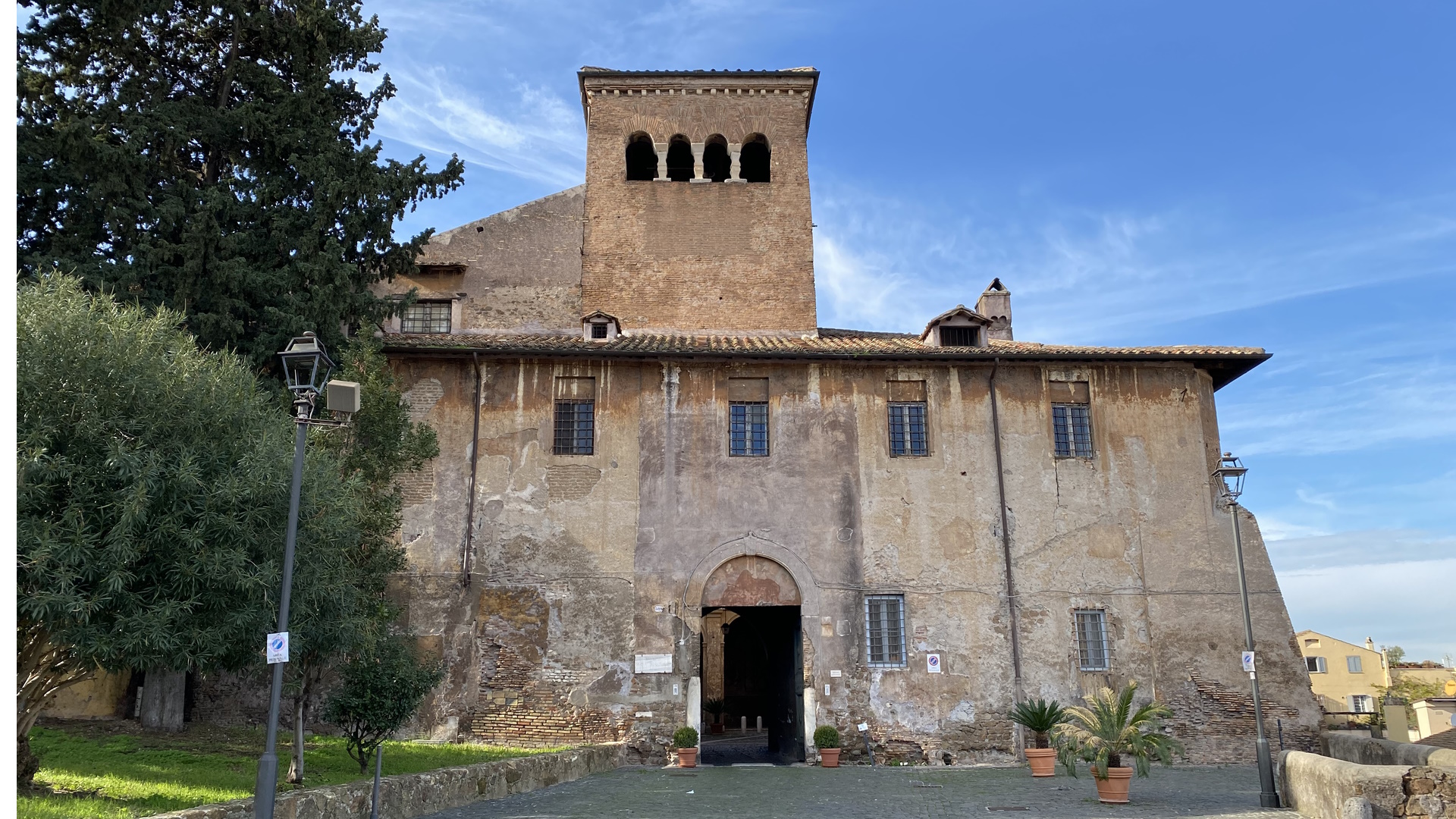
Jaromír Beneš from the Faculty of Science of the University of South Bohemia, the research guarantor, senior co-author of the study, and long-time builder of an international network of experts focused on historical ethnobotany and the spread of American crops, notes: "Even earlier, knowledge of these plants spread to the heart of the Christian world — to the Eternal City of Rome. A few years ago, an archaeobotanical investigation of a waste cesspit was conducted at the Roman monastery of Santi Quattro Coronati, where seeds of common pumpkin were found, among other finds. This was recently published, and its author, Claudia Moricca from the Roman university La Sapienza, also became a member of the scientific group that has now made the findings fully accessible. Remarkably, the earliest American plants — primarily two species of gourds — are depicted as part of the magnificent Renaissance frescoes in the Raphael Rooms of the Apostolic Palace in the Vatican, and at the Villa Farnesina in the Trastevere district of Rome."
The study, published in the international journal Ethnobotany and Economic Botany, summarises various archaeological finds sharing a common thread — the presence of plants of American origin — and therefore covers the period from the end of the 15th century onwards. These are fascinating archaeological contexts that have preserved plant remains, including in particular cesspits of monasteries and elite sites, the unique vault fill of Vladislav Hall at Prague Castle, burial sites with plant offerings in a church in eastern Poland, and even shipwrecks. In the laboratory, plant parts — primarily seeds — are identified using specialist keys and can potentially be dated using the radiocarbon method.
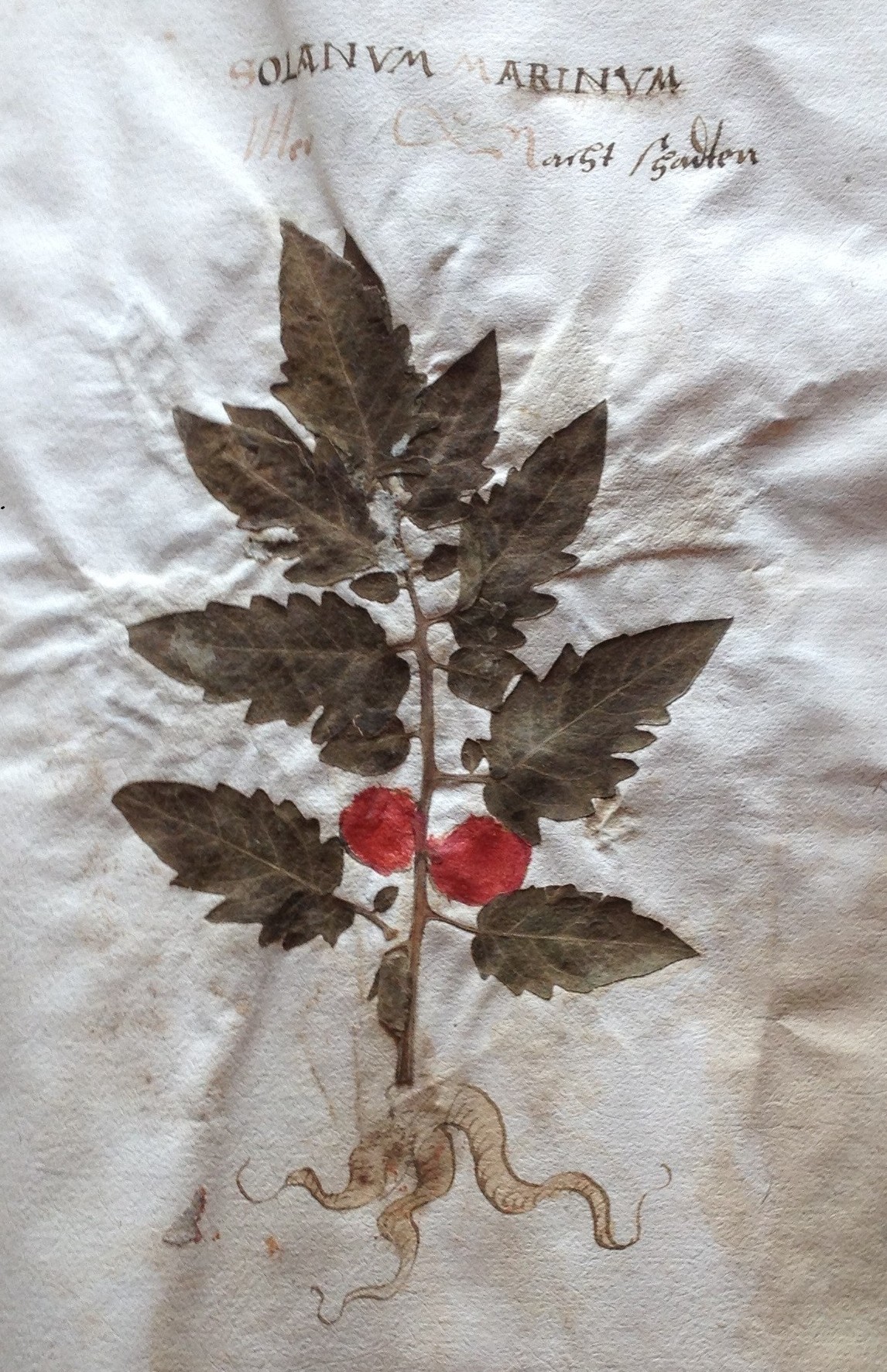
However, the finds of seeds alone are not sufficient for interpretation. Herbaria, historical and iconographic sources — such as well-dated frescoes — play an important role here. The combination of archaeology, botany, history, and iconography allows us to understand not only what was grown and eaten in the past, but above all how and why the composition of plants changed.
The findings of the research highlight the importance of an interdisciplinary approach to the study of the past. The research thus opens new perspectives for understanding the transformations of European society in the early modern period and at the same time explains why plants such as potatoes, cacao, or vanilla were so successful in early modern Europe.
Link to the study: https://doi.org/10.1007/s12231-026-09672-6


