




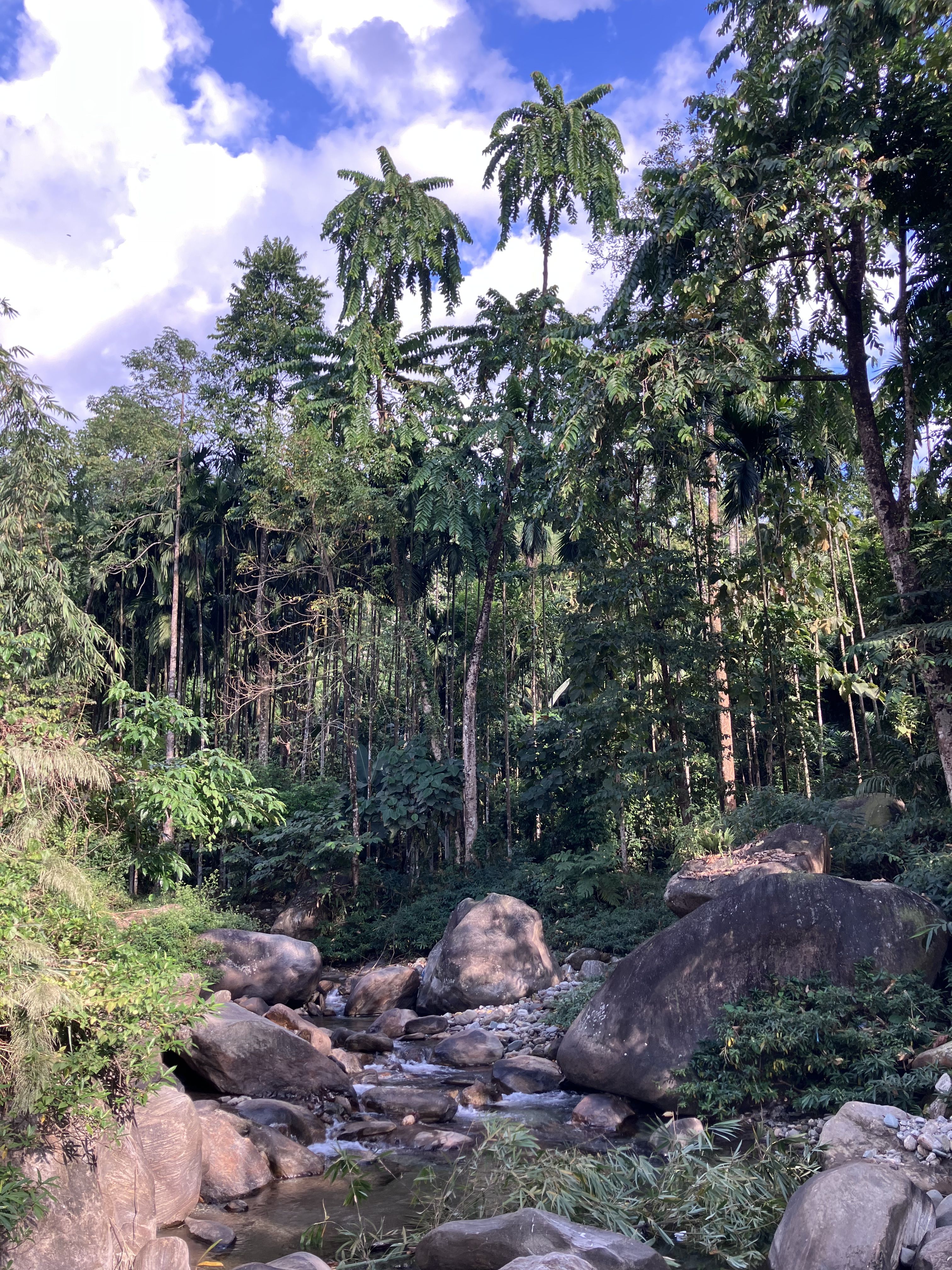


A two-week expedition to West Bengal and Sikkim, the eastern states of India, was part of a project of the Czech Academy of Sciences titled "Crustal evolution and active tectonics in inter- and intra-sedimentary environments: a comparative case study from the eastern Himalaya and western Bohemia". Jan Flašar, Ph.D., from the Department of Biology at the Faculty of Education, USB, participated in this expedition. The field research carried out in the area focused on obtaining rock samples for thermochronological and luminescence dating as well as locating tectonic faults using GPR. The results obtained are expected to contribute to a better understanding of the age and location of tectonic activity in the foothills of the Himalaya and to more accurately describe the prominence of this world's largest mountain range. The field research has taken place in a range of diverse locations, from tropical jungles with wild elephants in the Toto tribe's territory to the first ridges of the Himalayas with bamboo forests inhabited by red pandas.
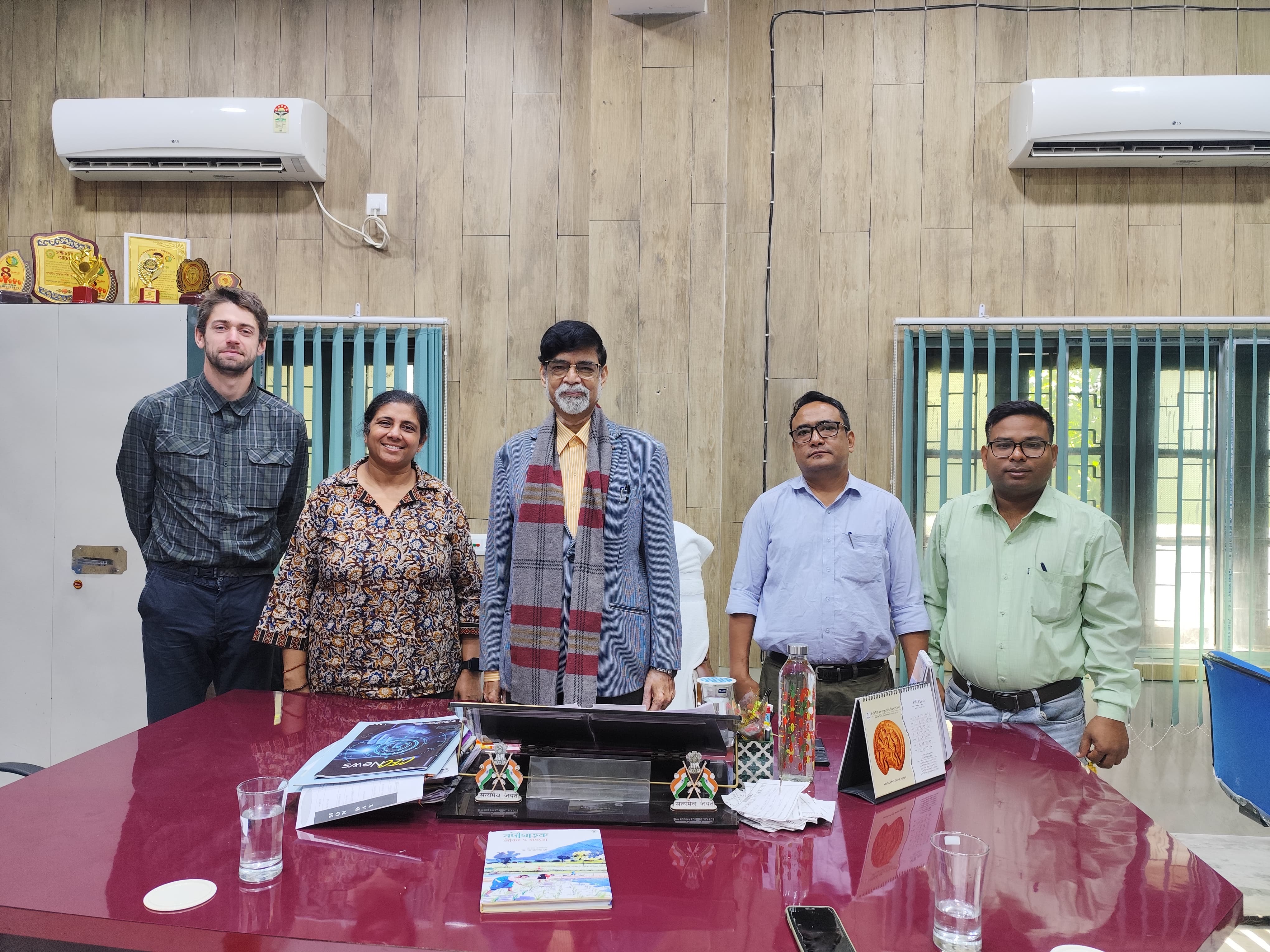
In addition to the research fieldwork, Jan Flašar represented the University of South Bohemia at the University of Alipurduar, a town at the foot of the eastern Himalayas, and together with the project leader, Dr. Chandreye Goswami, met with the Vice-Chancellor of the University, Prof. Sarit Kumar Choudhury, and representatives of the Departments of Geography and Zoology. Together, they toured the campus, discussed possibilities for inter-university collaboration and student involvement in existing projects. Dr. Baby Sarkar from the Department of Zoology then gave a practical presentation on the most important multidisciplinary research topic of the local university: human-elephant conflicts and human-elephant interactions, i.e. the issue of coexistence between humans and wild and domesticated elephants.
Despite the diversity of topics and the great geographical distance that separates Eastern India from Central Europe, we believe that further cooperation will successfully develop and continue.


