


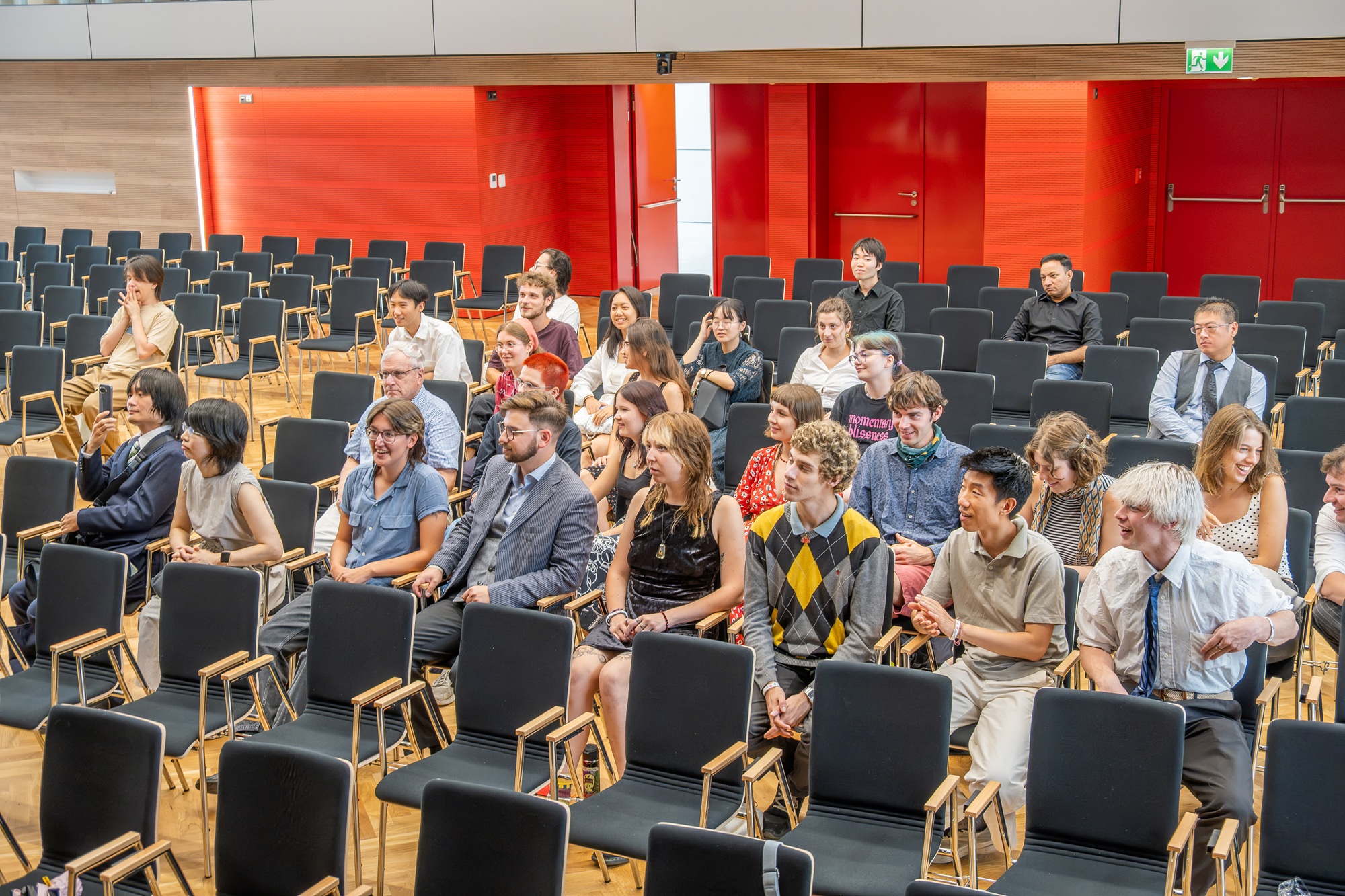
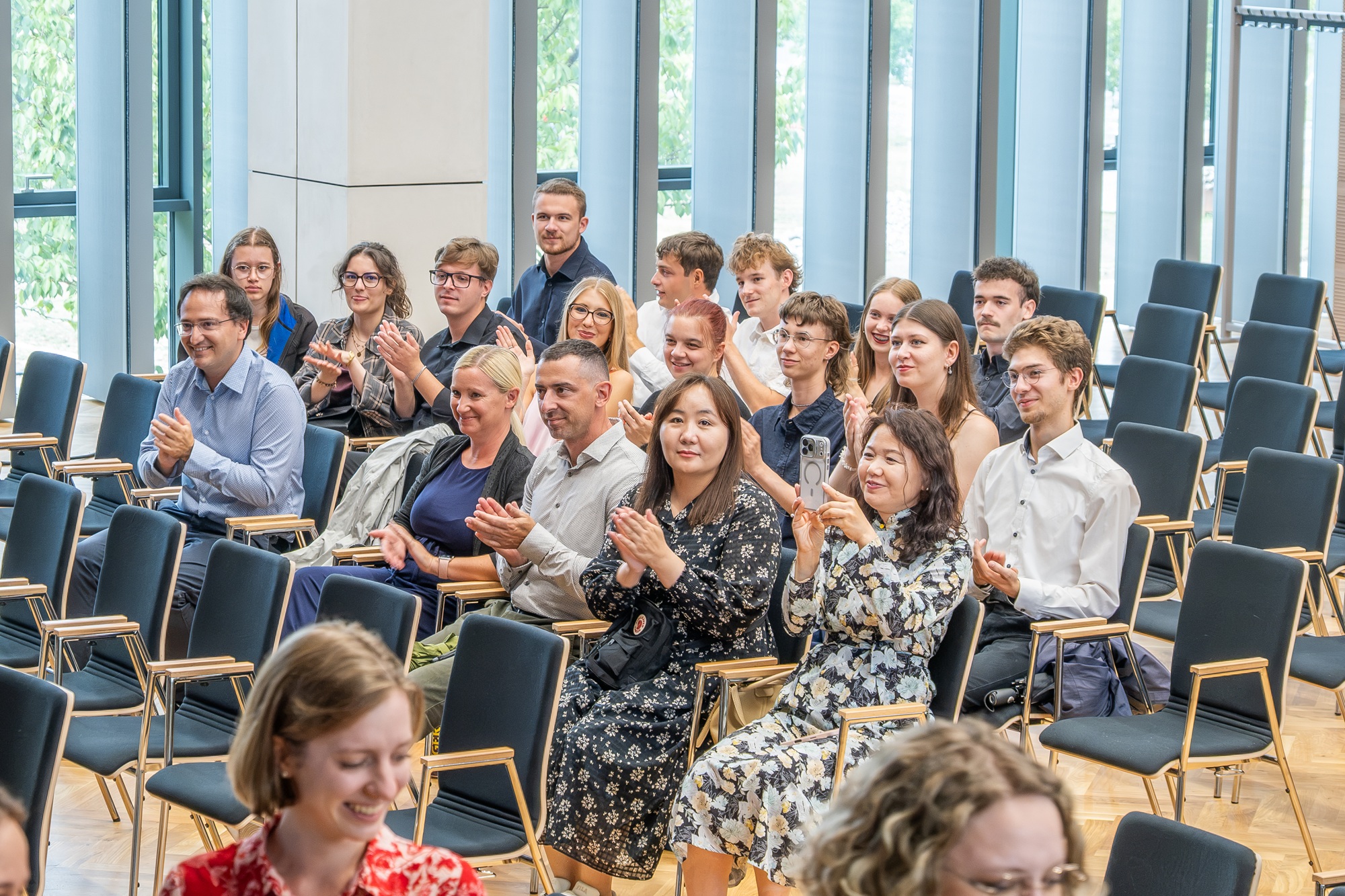
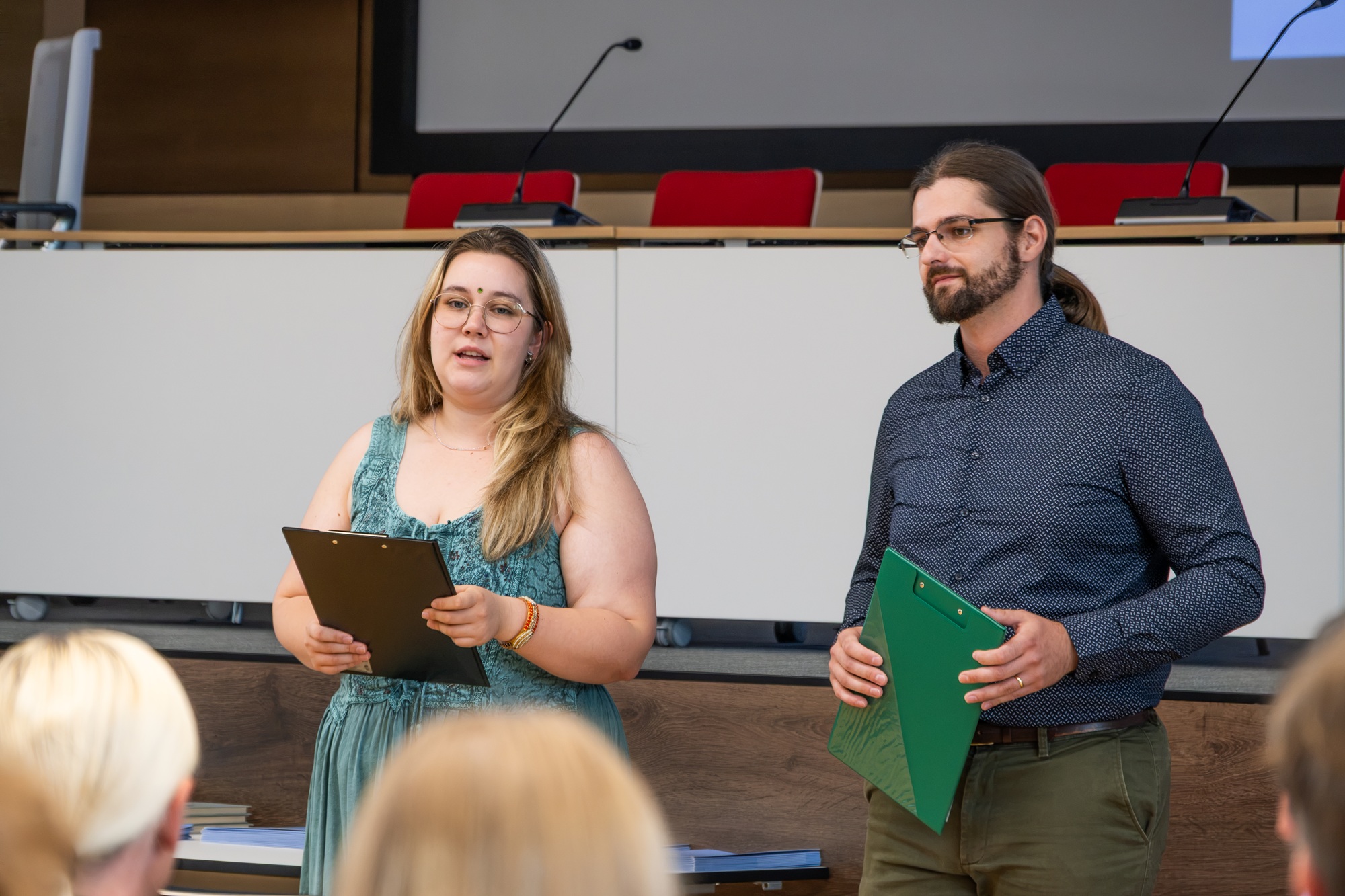
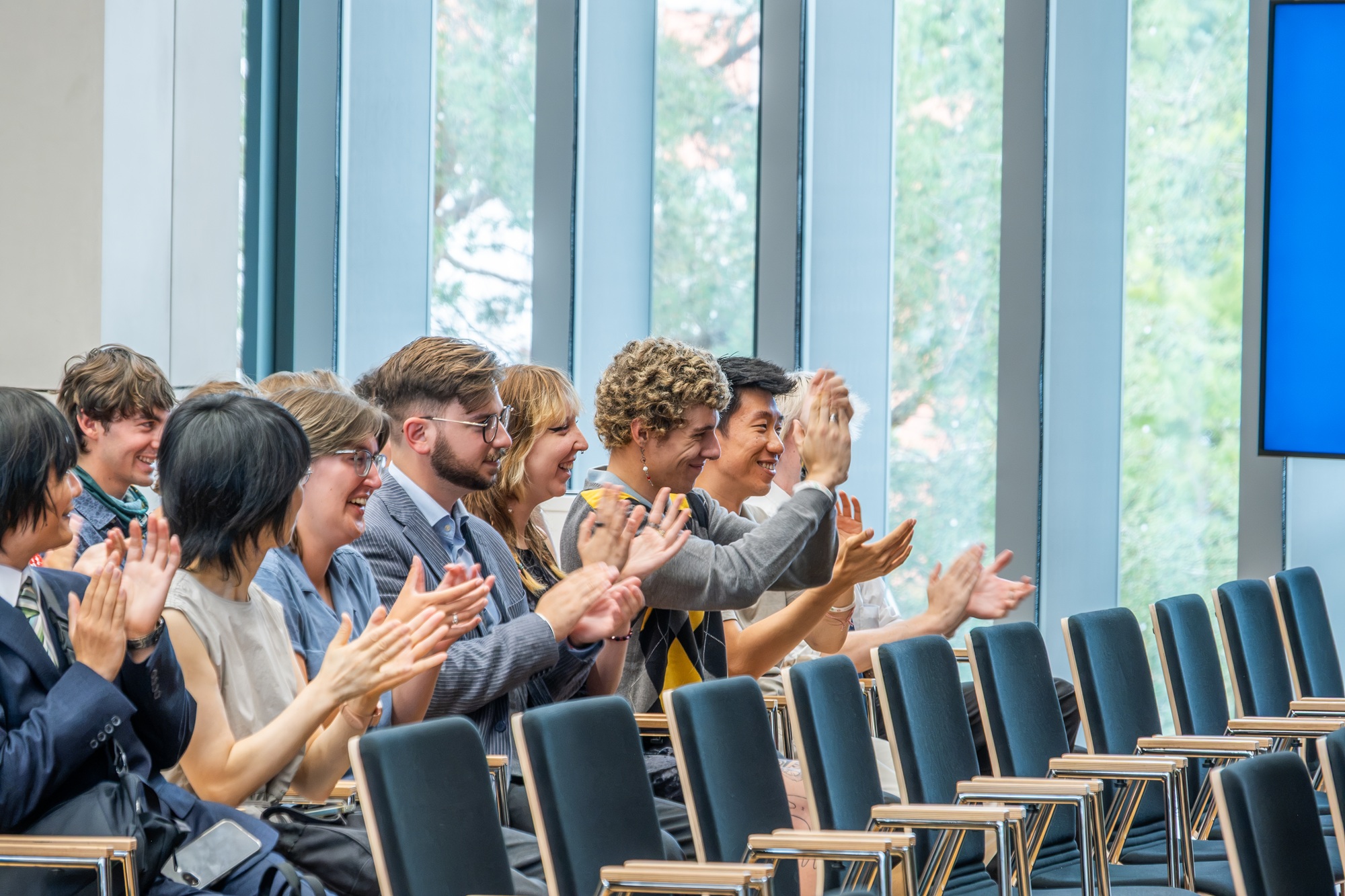
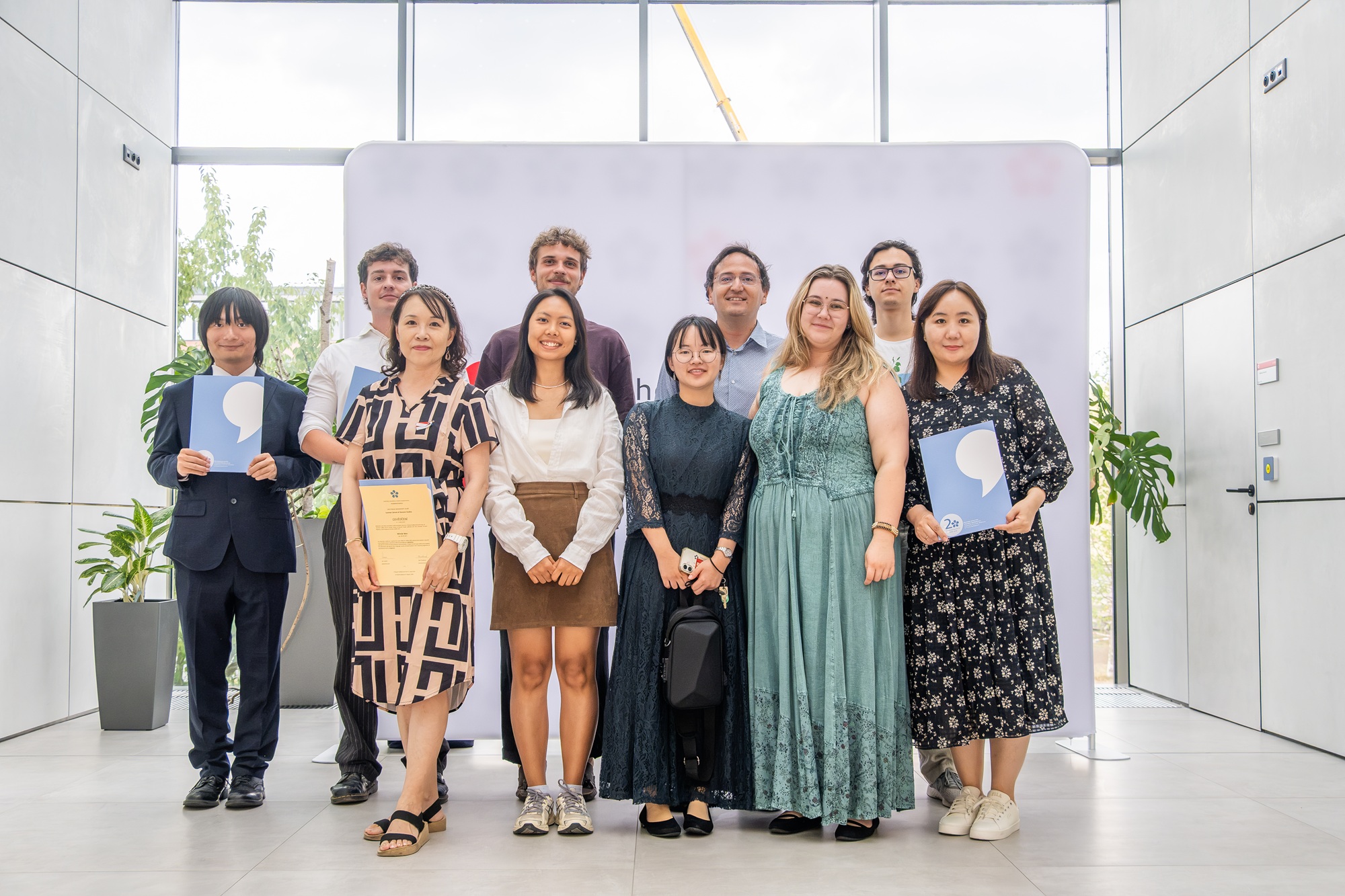
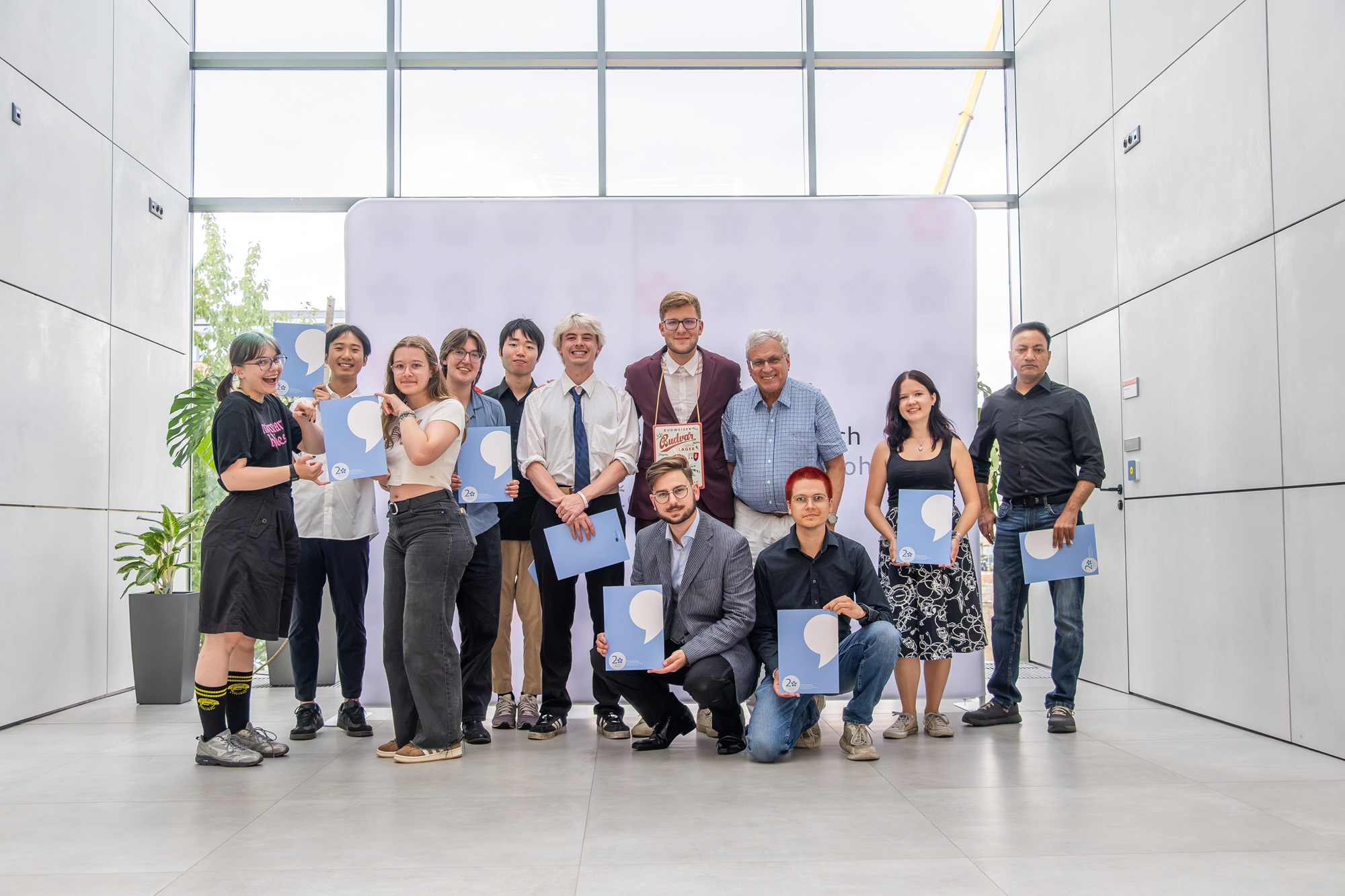
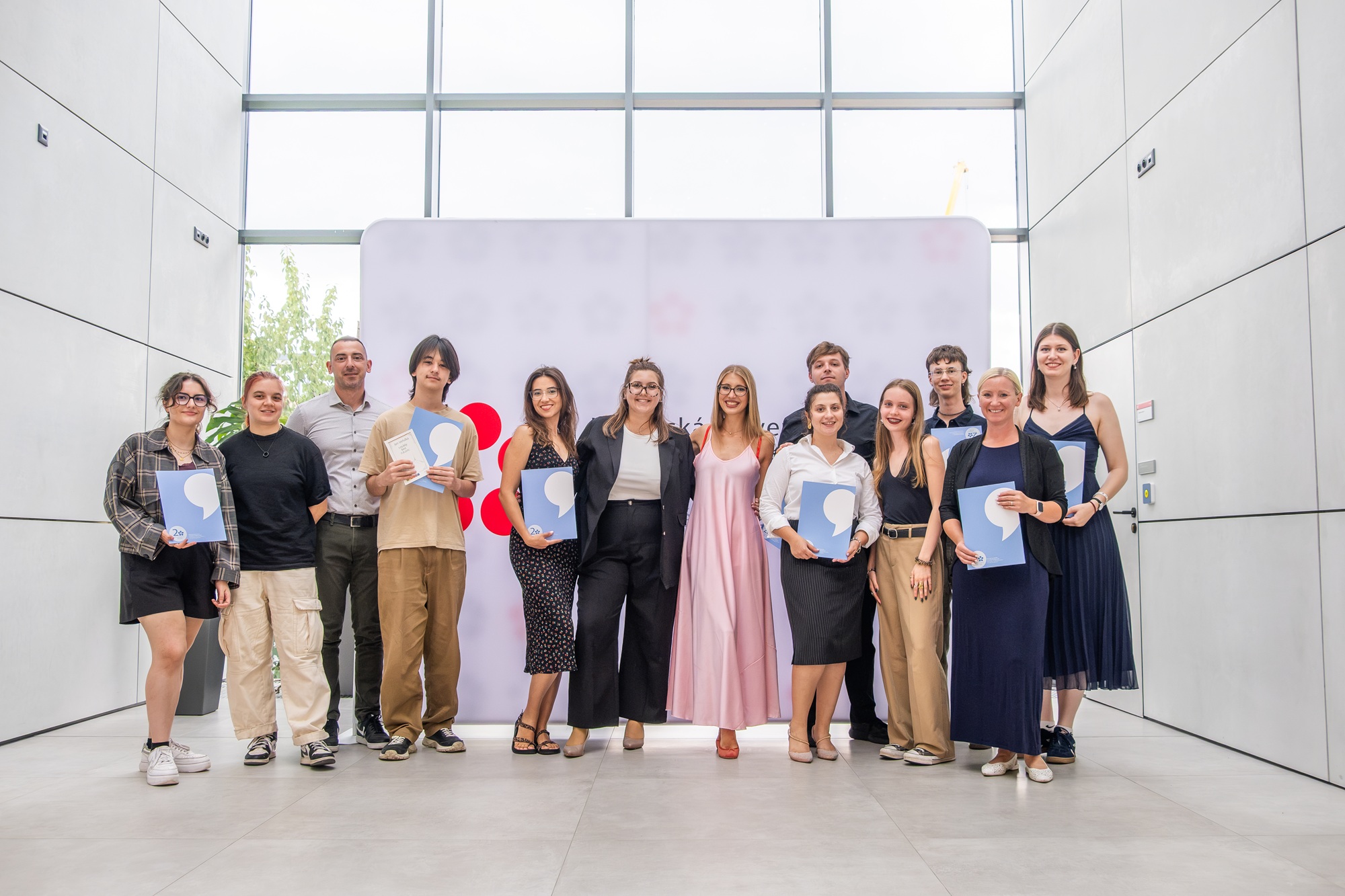
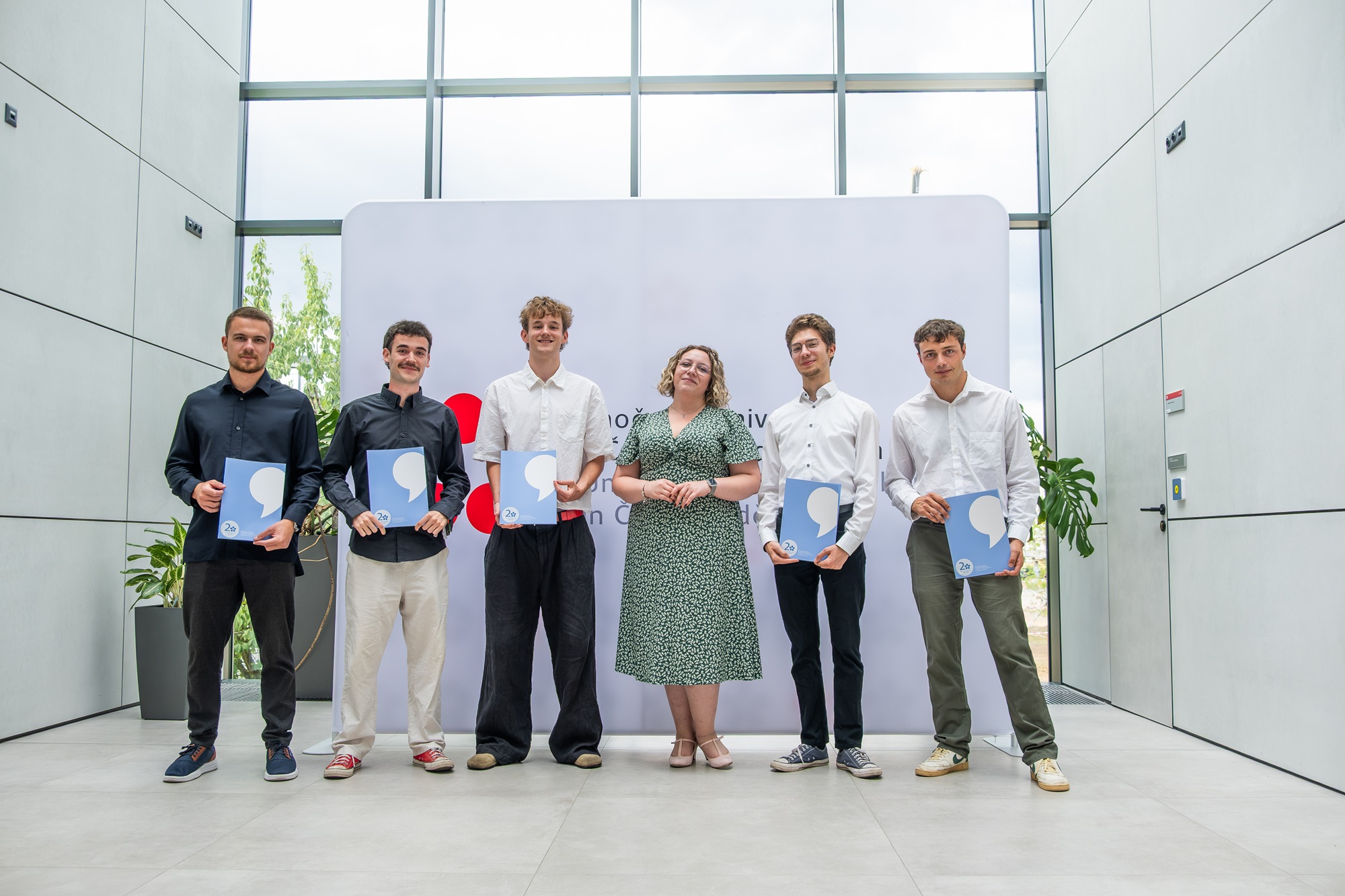
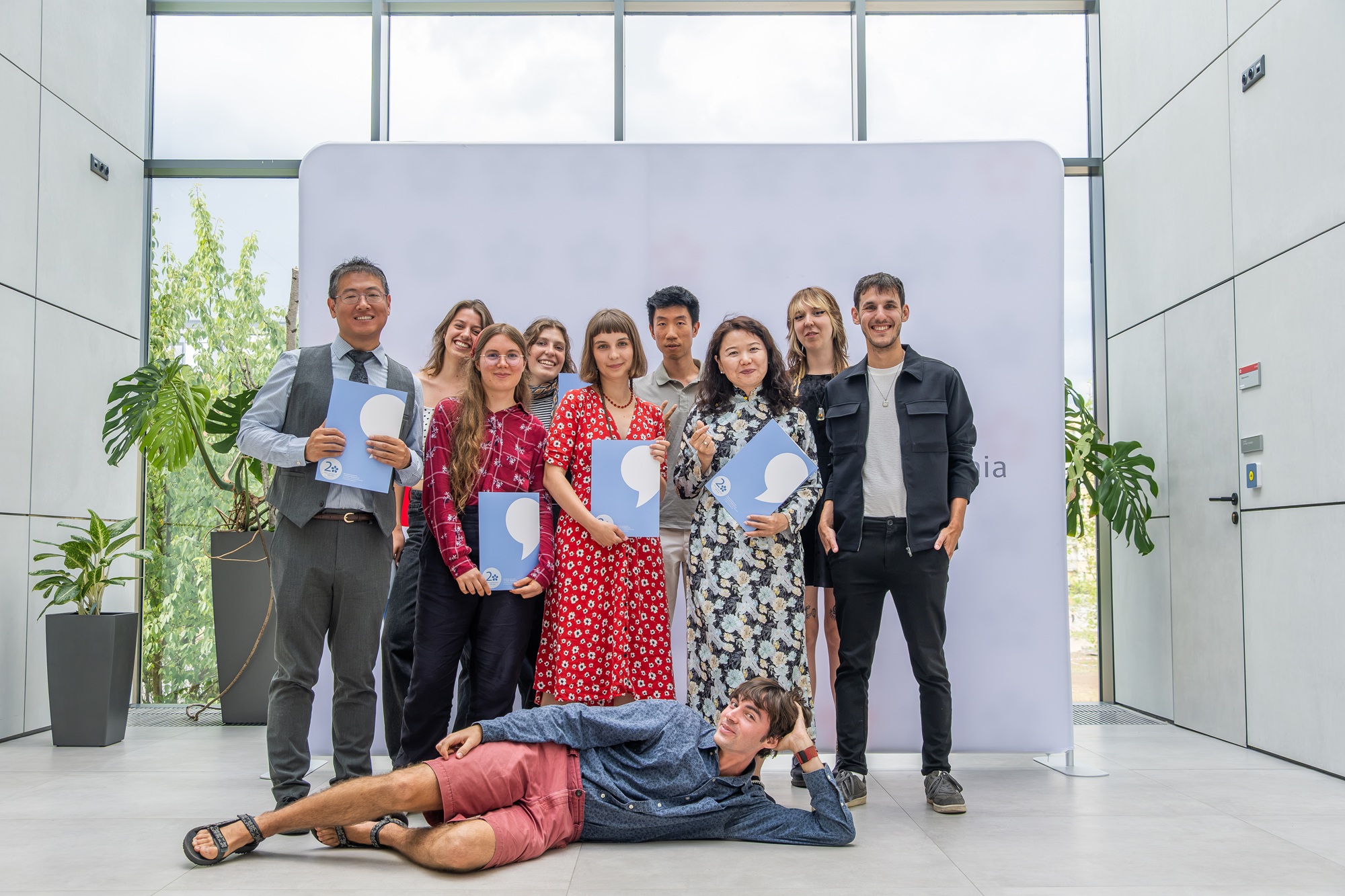
The Summer School of Slavic Studies at the Faculty of Arts of the University of South Bohemia is not only an intensive three-week Czech language course, but also a social event. For this reason, the organizers strive to provide the students with a fitting conclusion. This year’s 34th edition concluded with a closing ceremony on Friday, August 21, 2026. Students received certificates of attendance based on their language proficiency groups. This marked the official end of the Summer School of Slavic Studies 2026. However, some students took the opportunity to spend another weekend in the Czech Republic traveling or taking part in activities with several instructors.
The Summer School of Slavic Studies at the Faculty of Arts of the University of South Bohemia in České Budějovice officially opened on Monday, August 3, 2026. A total of 52 international participants took part in this year’s edition, coming from countries such as France, Germany, Italy, the United Kingdom, Romania, Croatia, Slovenia, Ukraine, Japan, Taiwan, Canada, and Mongolia. Over the course of three weeks, participants completed dozens of hours of intensive Czech language instruction led by experienced lecturers.
However, the program did not focus solely on the linguistic aspect. The summer school is regularly sought after not only by students interested in the Czech language, but also by professionals from various fields, as well as enthusiasts of Czech history and culture. Therefore, in addition to regular classes, the curriculum included specialized linguistic seminars dedicated to more complex grammatical phenomena, elective thematic seminars introducing participants to Czech life and culture, and expert lectures delivered by scholars from the Institute of Czech Studies and the Institute of Art and Cultural Studies at the Faculty of Arts, USB.
The school also featured a rich accompanying program. Students went on day trips to Český Krumlov and Hluboká nad Vltavou, took various excursions around České Budějovice, and took part in educational and sports events. There were also informal social evenings, which contributed to creating a friendly, international atmosphere throughout the course.


